
When you hear the name “Stephen King,” what comes to mind?
If you are like most people, it’s probably
And that’s just the tip of the iceberg. King has published more than 100 pieces—novels, short stories, nonfiction, essays—and he’s still going strong. He’s one of the most prolific and imaginative writers of our time.
I have not read his complete anthology of works, but in my opinion, Stephen King’s greatest creations are not his horror novels, but his fantasy.
Once upon a time, when I was in middle school, I discovered Stephen King. I loved to scare myself silly reading books like IT and Carrie and Misery, books that nowadays hold virtually no appeal for me. I read to unwind, to learn, to be inspired . . . horror novels do not suit those purposes. But as much as l loved those dark and terrifying novels as a teenager, my favorite book of all was King’s somewhat-less-well-known The Eyes of the Dragon. It was very different from his other works in that it is a fairy tale. There is a king and queen, princes and magicians, dungeons and dragons. The story and characters were so compelling that even 30 years later, I could still recall specific lines from the novel and picture David Palladini’s exquisite illustrations (like the one in the header).
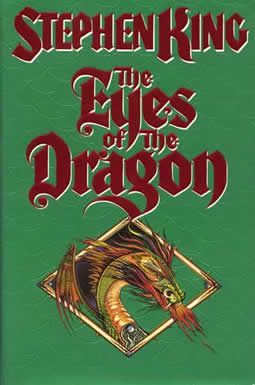
About a year ago, I thought it might be fun to reread The Eyes of the Dragon. I wondered if I would like it as much as I had in my youth.
In fact, I loved it even more. The story was as beautiful as I remembered, and the passage of time deepened my reading experience.
In The Eyes of the Dragon, the widowed king has two sons. The elder son and heir to the throne, Peter, is golden in every way. Intelligent and athletic, brave and kind. He is a devoted son and a good brother. The younger son, Thomas, is the complete opposite. Dumpy, awkward, sometimes mean to animals. He lives ever in his brother’s shadow and longs for his father’s love and approval, yet always seems to fall short. The court magician, Flagg, preys on Thomas’s jealousy and insecurity to achieve his own evil goals, and—
I should stop. I don’t want to give any spoilers. If you haven’t read the book, you must.
But I can say this: When I read the book as an adolescent, I hated Thomas. He was ugly and weak! He betrayed his father and brother! He ruined everything. No sympathy from THIS reader. Team Peter all the way.
Rereading the book as an adult, however, I was surprised by how my heart ached for Thomas. I still admired Peter, but poor Thomas. He was so vulnerable. He just wanted his father’s attention and love. I could imagine his unhappiness, confusion, and self-loathing.
It’s one of the unexpected pleasures of rereading a book: I relate to the story and the characters in new ways, because I am not the same person I was during the first reading. I’m changed. The world we live in is changed. We’re constantly evolving, and if you ever doubt it … just reread an old favorite.
According to legend (and stephenking.com), King wrote The Eyes of the Dragon for his teenage daughter, who loved fairy tales but did not have an interest in reading her dad’s horror novels. One of the characters in the book even shares her name, Naomi.
As I said, my reading tastes these days do not lean toward the macabre (though not ALL of his books fall into the horror genre of course), so Stephen King has been well off my radar. Until now.
In 2022, King published another fairy tale novel, aptly titled Fairy Tale. I couldn’t get my hands on it fast enough, and it did not disappoint. Like The Eyes of the Dragon, the novel Fairy Tale is merely fairy-tale-scary: There are deaths and evildoers, but nothing that will haunt your nightmares. Nothing I couldn’t handle. Unlike Dragon, which is set in medieval-ish times, the new book bridges the modern world and an enchanted kingdom. There is:
- A widowed father
- His 17-year-old son
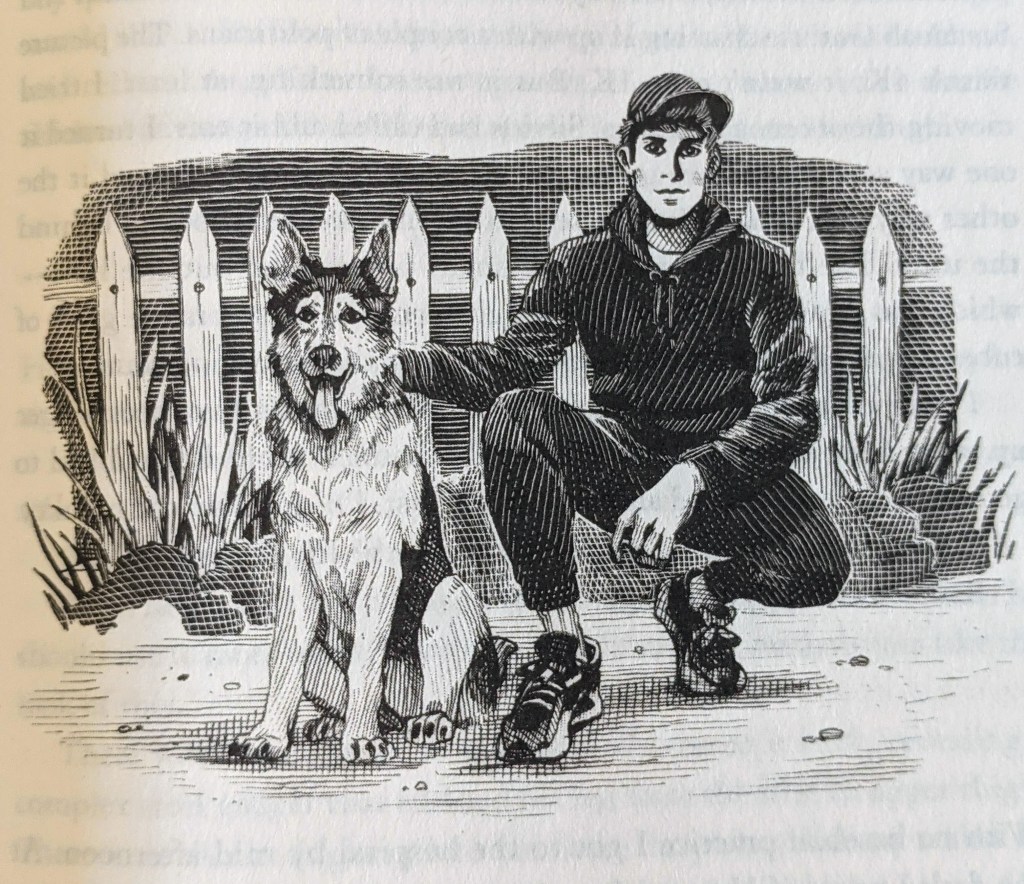
- A reclusive old man and his dog
- A golden treasure
- A winding portal
- A princess
- Magical creatures
- Monstrous creatures
- A kingdom of spellbound people
- Feats of strength and skill
- Good versus evil
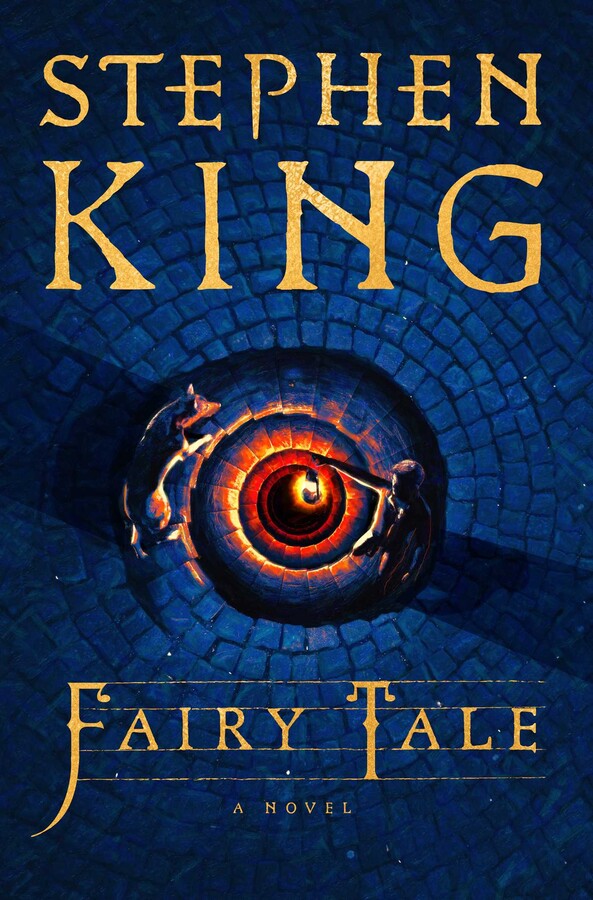
King alludes to many different fairy tale motifs throughout the novel, and while the 17-year-old protagonist, Charlie, is the first to own that he is no “Disney prince,” he is resourceful, brave, and loyal. We can’t help but root for him.
But do fairy tales always have a happy ending? Well, that depends. Brothers Grimm? No. Disney and Pixar? Yes.
What about Stephen King? I was cautiously optimistic throughout Fairy Tale, but I knew that with his books, anything was possible.
So consider this—King wrote Fairy Tale during the COVID pandemic and lockdowns, when he posed a question to himself: What could I write that would make me happy?
Hmm. I hope it worked, because the book certainly made ME happy!

 Don't Fleece the Bees