Create

Homemade Lip Balm

If you’re looking for a new craft to explore, lip balm is a fun and easy DIY project. I’ve been making my own for several years, and I have my recipe dialed in. It has a great consistency and texture—it sets up nice and firm but still glides onto your skin smoothly. 

When I first decided to try making lip balm, I didn’t want to invest in a bunch of equipment or supplies that I might not use long term. Would I enjoy the craft? Would it even work? So I kept things as simple as possible while I experimented. 

But I loved it! I like choosing which ingredients I do (or don’t) use on my skin, and lip balm makes a great gift—I pretty much always include one with packages I give to others. I’ve made numerous batches of lip balm using my simple setup, and it works just fine . . . though there are a few extra items that I will recommend in the directions below that I have found to be helpful in the balm-making process.


Base Recipe (will yield ~8 lip balm tubes)

The base ingredients are all readily available in stores and online. I like to purchase organic products whenever I can, and as you use very little of the ingredients in a single batch, they last a long time. These ingredients are popular in skincare products because they are moisturizing, vitamin-rich, and anti-inflammatory.

1 Tbsp unrefined coconut oil
1 Tbsp shea butter 
1 Tbsp beeswax pellets


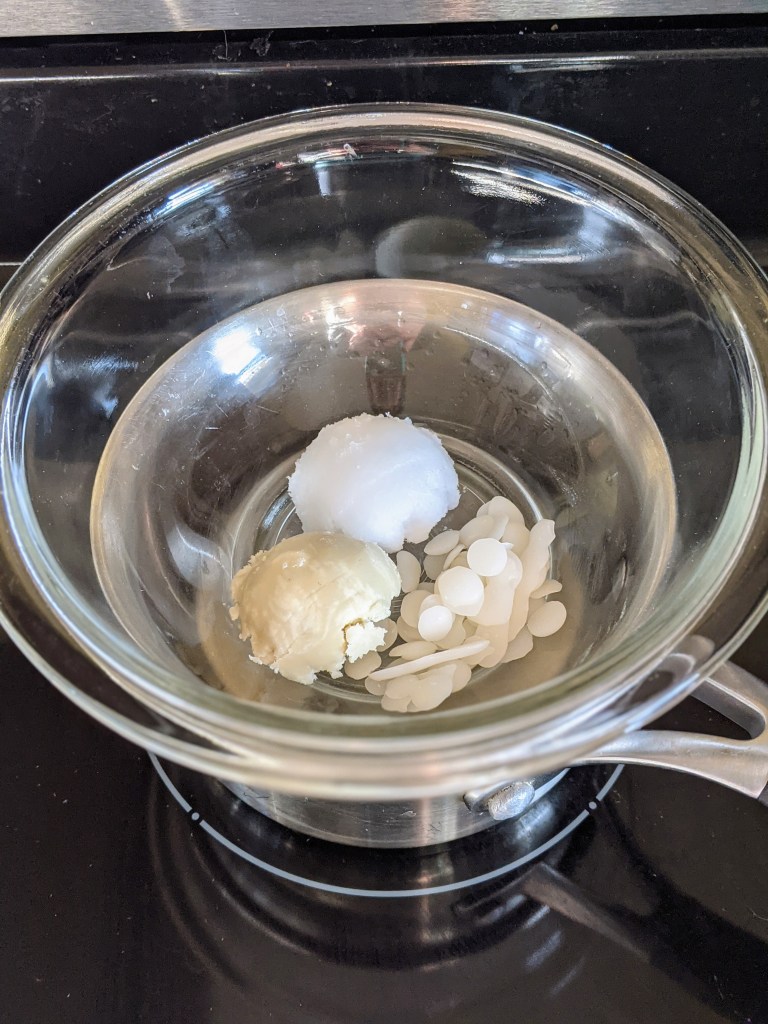
Add the ingredients to a double-boiler and gently heat until melted. (Some people use a microwave; I prefer being able to monitor the slow melting on the stovetop.) I don’t have a fancy double-boiler—I just use a glass bowl resting on top of a pan of simmering water.

After the base ingredients are melted, but before you decant the liquid into the tubes, you have many options for customizing your lip balm.
Add scent: You can add drops of essential oil to the base. Peppermint, Grapefruit, Sweet Orange, and Lavender are nice…. I’ve experimented with all of these at different times (not all at once!). Stir ~10 drops into your melted base. It’s important to add these at the end, after you remove the pan from the heat, because high temperatures can damage the delicate essential oil.

Add color: You can give your lip balm a tint of color with add-ins like hibiscus powder or cosmetic-grade mica powder. I use a very light touch with these (like 1/8 of a teaspoon), as I’ve found they can make the lip balm too “grainy” if I overdo it.

Add SPF: I did a little research on how to add SPF to homemade lip balm. Coconut oil offers a very small degree of natural protection (single-digit SPF), but Red Raspberry Seed oil can provide a somewhat higher SPF quality (source). It’s difficult to quantify exactly what protection factor these will add to your lip balm so I don’t “advertise” it on my labels, but I like knowing that my lip balm is providing at least some amount of sun protection. I add ~15 drops of Red Raspberry Seed oil to my melted base ingredients.

Tube Time!

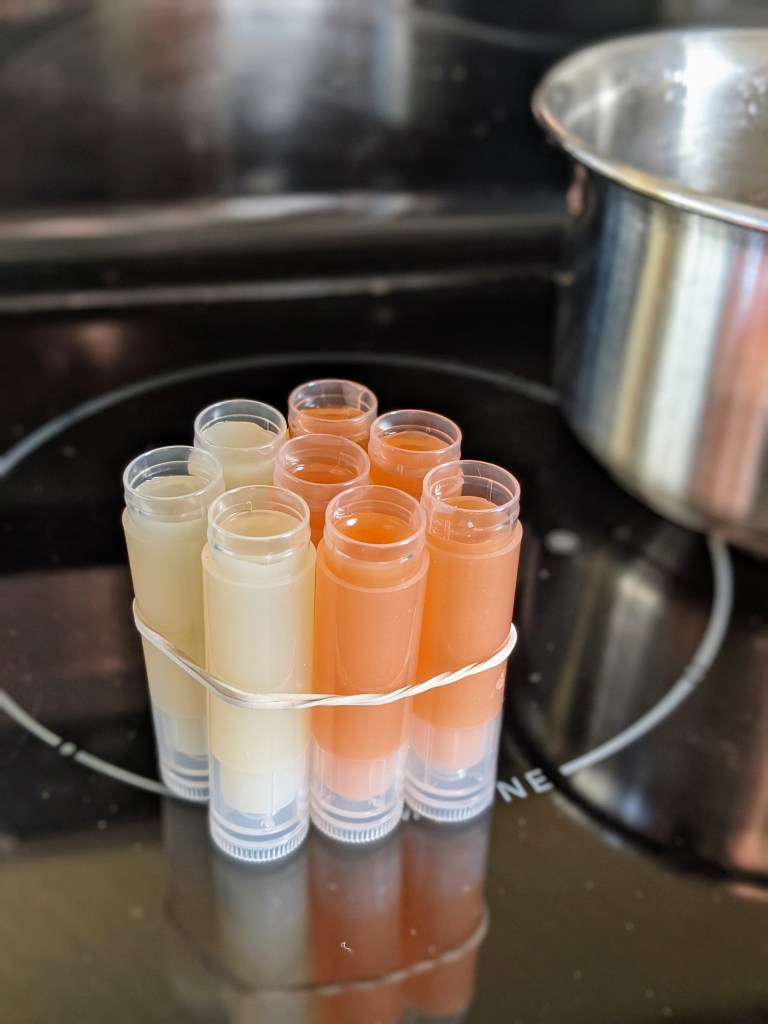
Once the lip balm base is melted and well-combined, remove it from the heat, add any custom ingredients, and prepare to get it into the tubes. You can purchase 5.5 mL tubes in bulk, in packages of 50-100, for a good price. To get the melted base into the tubes, I like to use a large 20 mL syringe. This makes it easy to draw up the liquid and neatly deposit it into each tube. Use a rubber band to secure the tubes in a little bundle so that they will not tip over while you are filling them. Allow the tubes to cool and harden for a few hours, then place the caps on them and they’re ready to use.

Labels

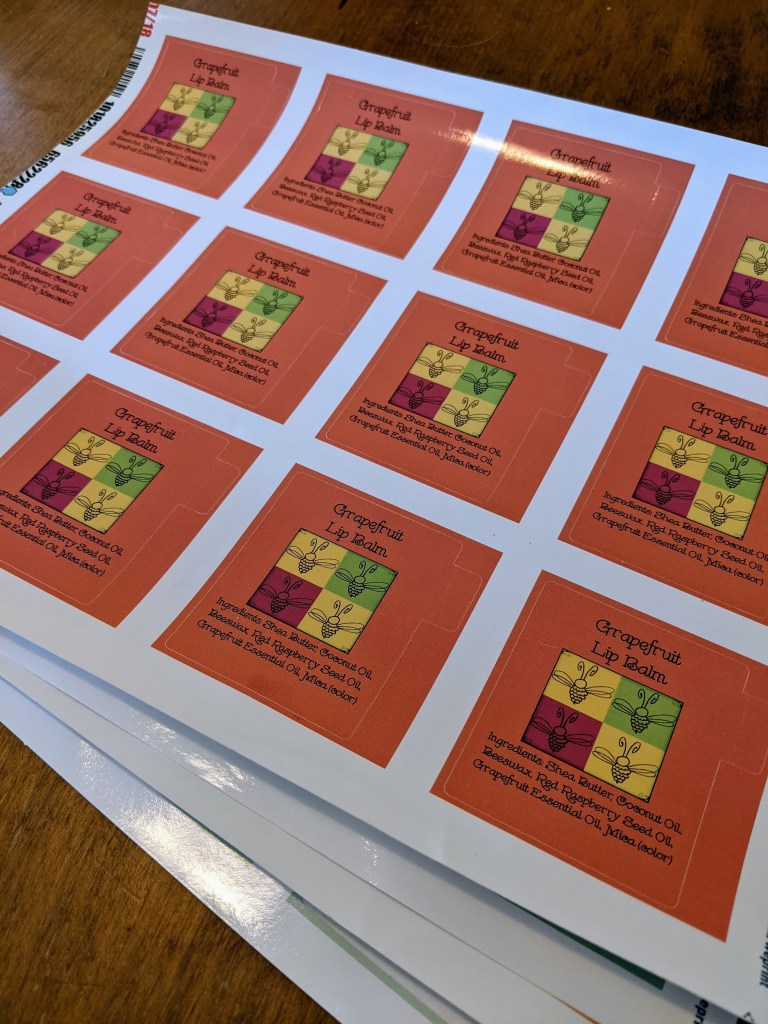
I didn’t use labels for my first few batches of lip balm, but once I knew that balm-making would be an ongoing craft for me, I wanted my finished products to look more polished. The labels also let people know which ingredients you used. 
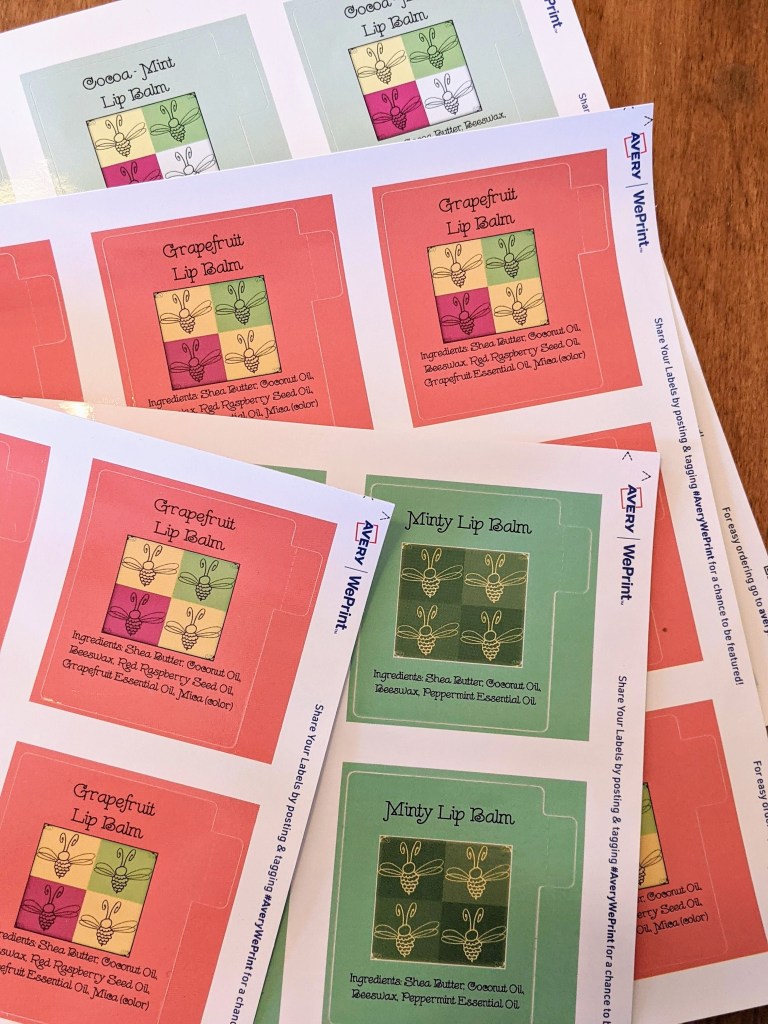
At the Avery online store, you can find a template expressly for 2 1/8” x 2 1/8” “Lip Balm Labels.” Create your custom design, order sheets of labels (12 per sheet), apply them to the tubes, and voila. Your results will look next-level professional, so don’t be surprised if people are shocked when they learn that you made the lip balm yourself!

Eat

Actual Best Chocolate Chip Cookies

I’ve been keeping something secret for way too long. 

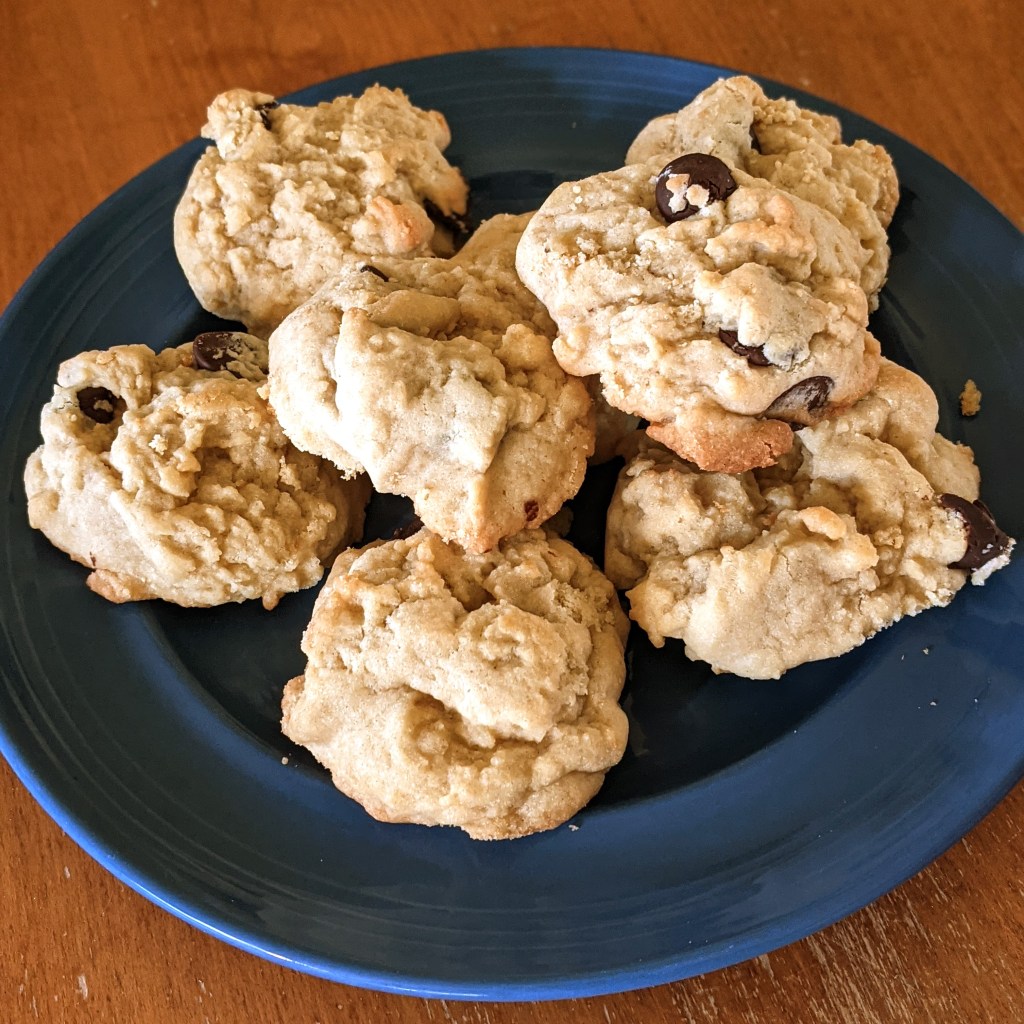
I have a recipe for the best chocolate chip cookies. I get rave reviews when I make these, and people frequently request the recipe. It’s funny because the secret ingredient is not something I put IN the cookie dough, but rather something I leave out.

I enjoy desserts—especially desserts that feature chocolate—but I do not like things that are overly sweet. Plus, sugar’s inflammatory effects on our bodies are well-documented, impacting organs, joints, skin, mood. It’s one of the few things doctors and nutritionists seem to agree upon, so I try to limit my sugar consumption as much as possible.

Homer has a different philosophy…

I modify recipes all the time, for health reasons or simply because I don’t have a required ingredient on hand. One thing I’ve discovered is that I can pretty much ALWAYS reduce the amount of sugar a recipe calls for, and it doesn’t adversely affect the final result. In fact, sometimes it makes the result spectacular.

Chocolate Chip Cookie Time

I’ve been making these cookies for years, so I don’t remember exactly when I first tried this experiment. But I was following a recipe for “best chocolate chip cookies” I’d found on allrecipes.com, and when it came time to measure out the sugar, I was like, Dang that’s a lot of sugar. I just couldn’t do it. I decided to try cutting the amount of white sugar and brown sugar in half. The cookies turned out cakey and fluffy, super soft in the center but nicely snappy on the outside. With less sugar in the recipe, the cookies do not spread and carmelize as much as others I’ve made.

Ready for the secret recipe? Here we go.


Ingredients:

1 cup unsalted butter, softened
1/2 cup white sugar
1/2 cup brown sugar
2 eggs
2 tsp vanilla extract
3 cups all-purpose flour
1 tsp baking soda + 2 tsp hot water
1/2 tsp salt
2 cups semi-sweet chocolate chips (I like to use dark chocolate morsels)

Steps:

  1. Preheat the oven to 350 degrees.
  2. Cream together butter and both sugars until smooth.
  3. Add eggs to batter, beating in one at a time (you’ll get better emulsification of the ingredients; here’s why).
  4. Add the vanilla.
  5. Dissolve the baking soda in hot water then add to batter, along with the salt.
  6. Stir in the flour.
  7. Fold in the chocolate chips.
  8. Drop by spoonfuls onto a cookie sheet lined with parchment paper.
  9. Bake for about 10 minutes, just until the edges are starting to brown.
  10. Remove to a cooling sheet/rack immediately.

You should get between two and three dozen cookies from this recipe, depending how big you make them. 


I hope you enjoy the cookies as much as I do! And maybe the results will embolden you to play with sugar reduction in other recipes as well.

Read

Once Upon a Time with Stephen King

When you hear the name “Stephen King,” what comes to mind? 

If you are like most people, it’s probably

And that’s just the tip of the iceberg. King has published more than 100 pieces—novels, short stories, nonfiction, essays—and he’s still going strong. He’s one of the most prolific and imaginative writers of our time.

I have not read his complete anthology of works, but in my opinion, Stephen King’s greatest creations are not his horror novels, but his fantasy. 


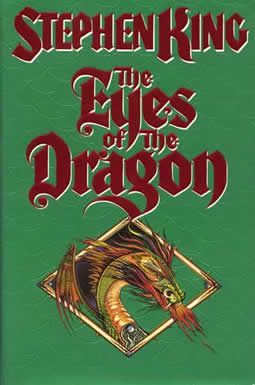
Once upon a time, when I was in middle school, I discovered Stephen King. I loved to scare myself silly reading books like IT and Carrie and Misery, books that nowadays hold virtually no appeal for me. I read to unwind, to learn, to be inspired . . . horror novels do not suit those purposes. But as much as l loved those dark and terrifying novels as a teenager, my favorite book of all was King’s somewhat-less-well-known The Eyes of the Dragon. It was very different from his other works in that it is a fairy tale. There is a king and queen, princes and magicians, dungeons and dragons. The story and characters were so compelling that even 30 years later, I could still recall specific lines from the novel and picture David Palladini’s exquisite illustrations (like the one in the header).


About a year ago, I thought it might be fun to reread The Eyes of the Dragon. I wondered if I would like it as much as I had in my youth. 

In fact, I loved it even more. The story was as beautiful as I remembered, and the passage of time deepened my reading experience. 

In The Eyes of the Dragon, the widowed king has two sons. The elder son and heir to the throne, Peter, is golden in every way. Intelligent and athletic, brave and kind. He is a devoted son and a good brother. The younger son, Thomas, is the complete opposite. Dumpy, awkward, sometimes mean to animals. He lives ever in his brother’s shadow and longs for his father’s love and approval, yet always seems to fall short. The court magician, Flagg, preys on Thomas’s jealousy and insecurity to achieve his own evil goals, and—

I should stop. I don’t want to give any spoilers. If you haven’t read the book, you must.

But I can say this: When I read the book as an adolescent, I hated Thomas. He was ugly and weak! He betrayed his father and brother! He ruined everything. No sympathy from THIS reader. Team Peter all the way.

Rereading the book as an adult, however, I was surprised by how my heart ached for Thomas. I still admired Peter, but poor Thomas. He was so vulnerable. He just wanted his father’s attention and love. I could imagine his unhappiness, confusion, and self-loathing.

It’s one of the unexpected pleasures of rereading a book: I relate to the story and the characters in new ways, because I am not the same person I was during the first reading. I’m changed. The world we live in is changed. We’re constantly evolving, and if you ever doubt it … just reread an old favorite.

According to legend (and stephenking.com), King wrote The Eyes of the Dragon for his teenage daughter, who loved fairy tales but did not have an interest in reading her dad’s horror novels. One of the characters in the book even shares her name, Naomi.

As I said, my reading tastes these days do not lean toward the macabre (though not ALL of his books fall into the horror genre of course), so Stephen King has been well off my radar. Until now.


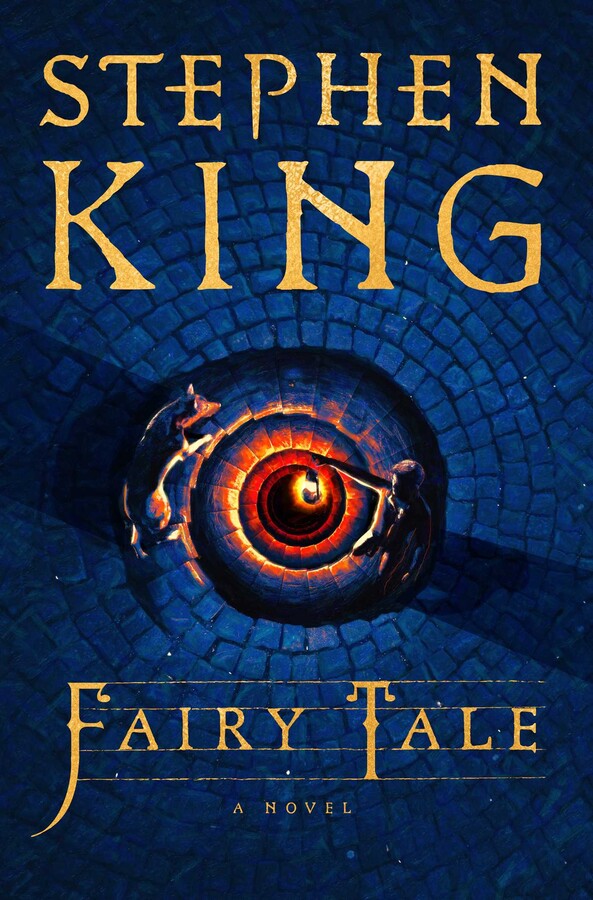
In 2022, King published another fairy tale novel, aptly titled Fairy Tale. I couldn’t get my hands on it fast enough, and it did not disappoint. Like The Eyes of the Dragon, the novel Fairy Tale is merely fairy-tale-scary: There are deaths and evildoers, but nothing that will haunt your nightmares. Nothing I couldn’t handle. Unlike Dragon, which is set in medieval-ish times, the new book bridges the modern world and an enchanted kingdom. There is:

  • A widowed father
  • His 17-year-old son
  • A reclusive old man and his dog
  • A golden treasure
  • A winding portal
  • A princess
  • Magical creatures
  • Monstrous creatures
  • A kingdom of spellbound people
  • Feats of strength and skill
  • Good versus evil


King alludes to many different fairy tale motifs throughout the novel, and while the 17-year-old protagonist, Charlie, is the first to own that he is no “Disney prince,” he is resourceful, brave, and loyal. We can’t help but root for him.

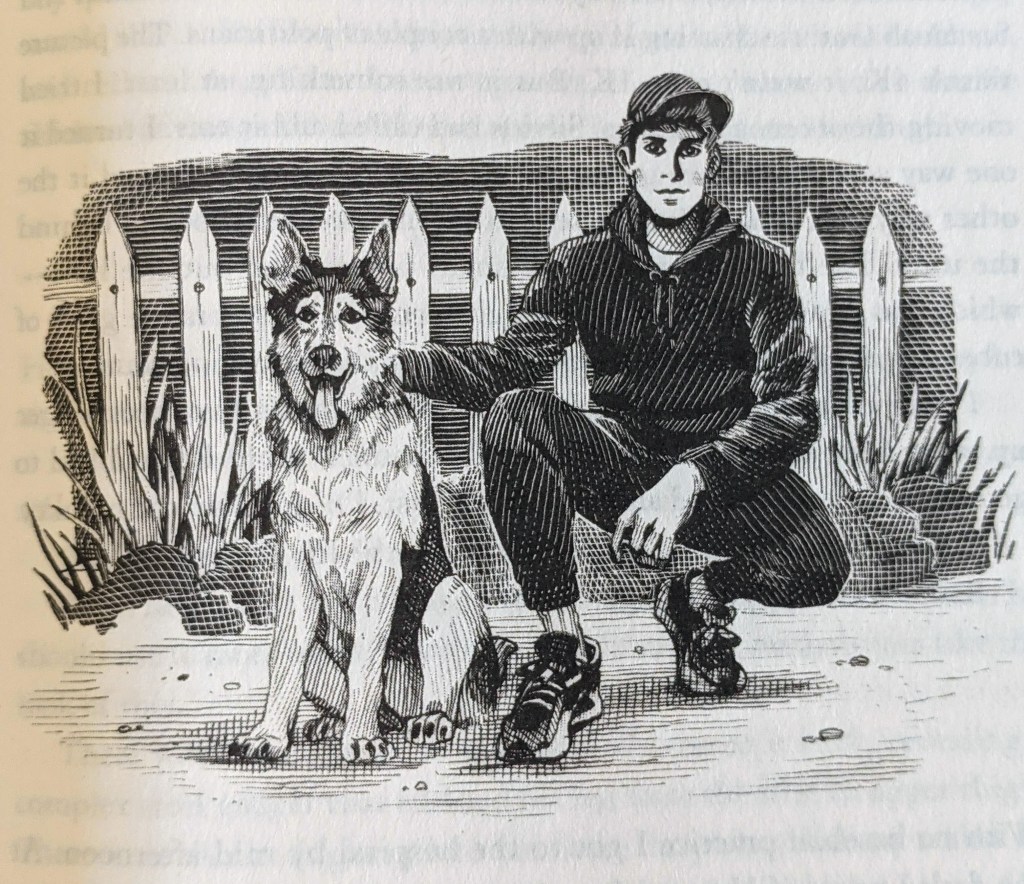
Charlie and Radar (Chapter 4 illustration by Nicolas Deloit)


But do fairy tales always have a happy ending? Well, that depends. Brothers Grimm? No. Disney and Pixar? Yes. 

What about Stephen King? I was cautiously optimistic throughout Fairy Tale, but I knew that with his books, anything was possible. 

So consider this—King wrote Fairy Tale during the COVID pandemic and lockdowns, when he posed a question to himself: What could I write that would make me happy? 

Hmm. I hope it worked, because the book certainly made ME happy!