Create

Homemade Lip Balm

If you’re looking for a new craft to explore, lip balm is a fun and easy DIY project. I’ve been making my own for several years, and I have my recipe dialed in. It has a great consistency and texture—it sets up nice and firm but still glides onto your skin smoothly. 

When I first decided to try making lip balm, I didn’t want to invest in a bunch of equipment or supplies that I might not use long term. Would I enjoy the craft? Would it even work? So I kept things as simple as possible while I experimented. 

But I loved it! I like choosing which ingredients I do (or don’t) use on my skin, and lip balm makes a great gift—I pretty much always include one with packages I give to others. I’ve made numerous batches of lip balm using my simple setup, and it works just fine . . . though there are a few extra items that I will recommend in the directions below that I have found to be helpful in the balm-making process.


Base Recipe (will yield ~8 lip balm tubes)

The base ingredients are all readily available in stores and online. I like to purchase organic products whenever I can, and as you use very little of the ingredients in a single batch, they last a long time. These ingredients are popular in skincare products because they are moisturizing, vitamin-rich, and anti-inflammatory.

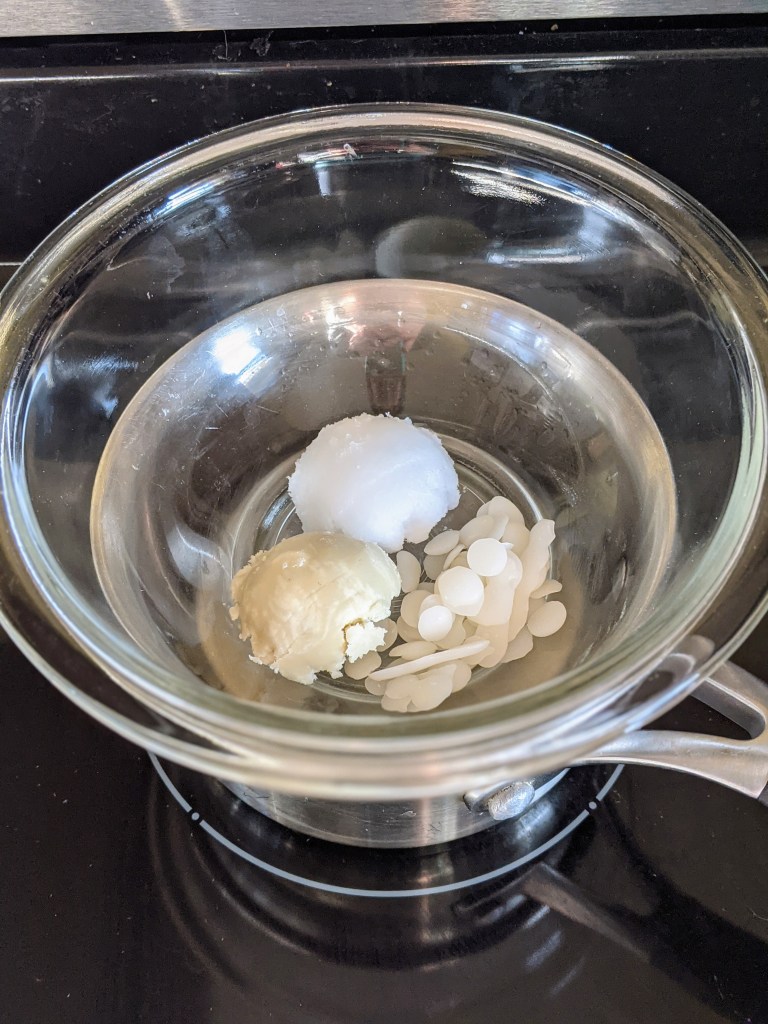
1 Tbsp unrefined coconut oil
1 Tbsp shea butter 
1 Tbsp beeswax pellets


Add the ingredients to a double-boiler and gently heat until melted. (Some people use a microwave; I prefer being able to monitor the slow melting on the stovetop.) I don’t have a fancy double-boiler—I just use a glass bowl resting on top of a pan of simmering water.

After the base ingredients are melted, but before you decant the liquid into the tubes, you have many options for customizing your lip balm.
Add scent: You can add drops of essential oil to the base. Peppermint, Grapefruit, Sweet Orange, and Lavender are nice…. I’ve experimented with all of these at different times (not all at once!). Stir ~10 drops into your melted base. It’s important to add these at the end, after you remove the pan from the heat, because high temperatures can damage the delicate essential oil.

Add color: You can give your lip balm a tint of color with add-ins like hibiscus powder or cosmetic-grade mica powder. I use a very light touch with these (like 1/8 of a teaspoon), as I’ve found they can make the lip balm too “grainy” if I overdo it.

Add SPF: I did a little research on how to add SPF to homemade lip balm. Coconut oil offers a very small degree of natural protection (single-digit SPF), but Red Raspberry Seed oil can provide a somewhat higher SPF quality (source). It’s difficult to quantify exactly what protection factor these will add to your lip balm so I don’t “advertise” it on my labels, but I like knowing that my lip balm is providing at least some amount of sun protection. I add ~15 drops of Red Raspberry Seed oil to my melted base ingredients.

Tube Time!

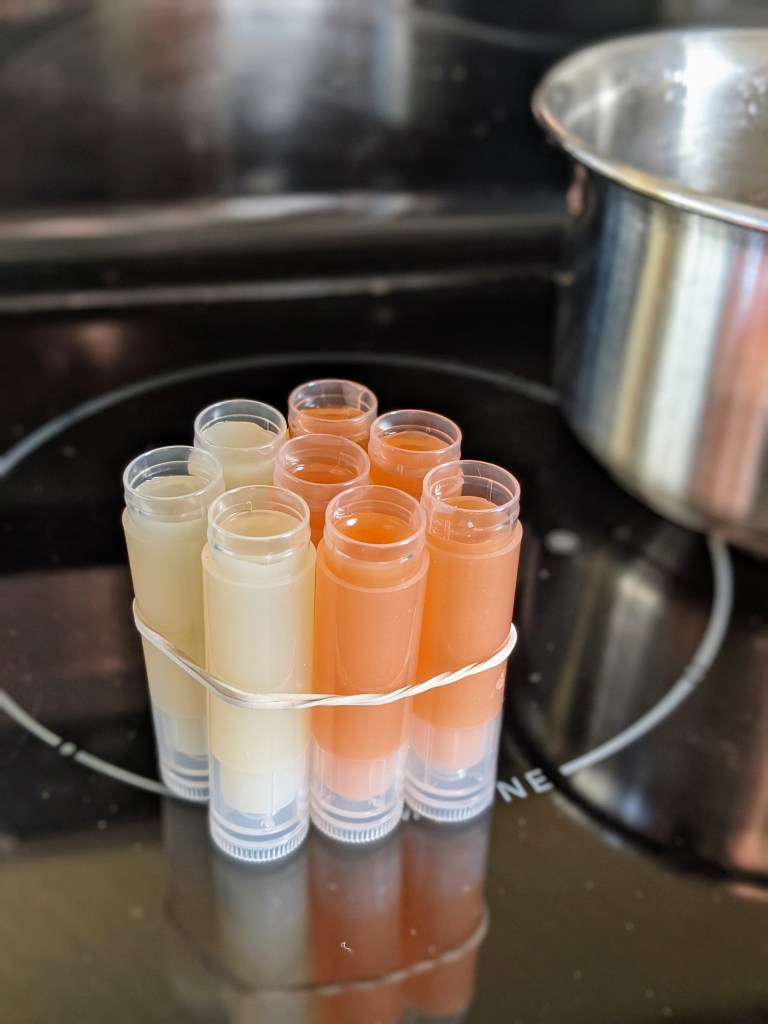
Once the lip balm base is melted and well-combined, remove it from the heat, add any custom ingredients, and prepare to get it into the tubes. You can purchase 5.5 mL tubes in bulk, in packages of 50-100, for a good price. To get the melted base into the tubes, I like to use a large 20 mL syringe. This makes it easy to draw up the liquid and neatly deposit it into each tube. Use a rubber band to secure the tubes in a little bundle so that they will not tip over while you are filling them. Allow the tubes to cool and harden for a few hours, then place the caps on them and they’re ready to use.

Labels

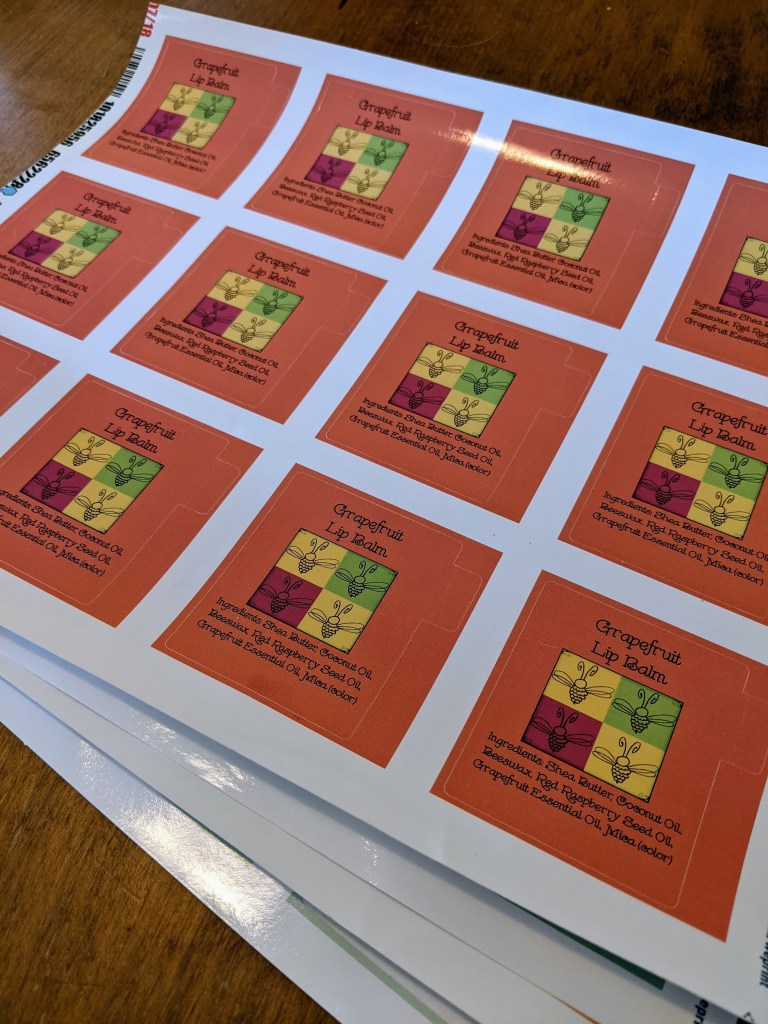
I didn’t use labels for my first few batches of lip balm, but once I knew that balm-making would be an ongoing craft for me, I wanted my finished products to look more polished. The labels also let people know which ingredients you used. 
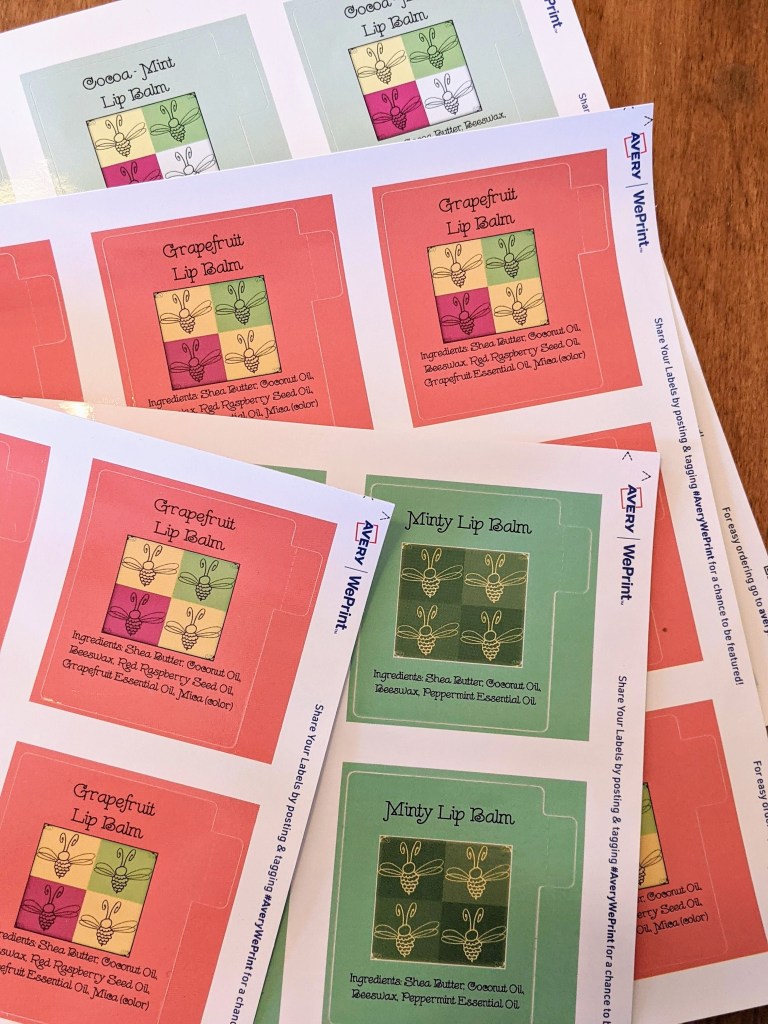
At the Avery online store, you can find a template expressly for 2 1/8” x 2 1/8” “Lip Balm Labels.” Create your custom design, order sheets of labels (12 per sheet), apply them to the tubes, and voila. Your results will look next-level professional, so don’t be surprised if people are shocked when they learn that you made the lip balm yourself!

Create

Milkweed + Monarchs = Magic

You are about to read a very special blog post, guest-written by my sister Laura! I have mentioned her in multiple previous posts, since she 1) is a very important person in my life, and 2) is awesome.

Last summer, I vicariously experienced one of nature’s miracles happening in her southern California backyard—the metamorphosis of the monarch butterfly. The beauty and tenacity of these creatures captivated me, and I wished for their story to be shared with all. I hope you enjoy it as much as I did.


One of my coworkers recently shared an article about how the monarch butterfly has been classified as endangered by the International Union for Conservation of Nature. I work at an environmental nonprofit, so getting links to these types of articles from coworkers is pretty common, but this one really grabbed my attention because I had just spent the month of June having an engrossing, up-close experience with monarchs in my own backyard. 

It all started when I bought a milkweed plant at the nursery in the fall of 2021 on a whim. I’ve heard over and over again that if you want to have butterflies in your yard you should plant milkweed, so it seemed like it was worth a shot. The plant I bought is a narrow-leaf milkweed and is native to Southern California, which is where I live. I can’t say it’s an especially beautiful plant, and my expectations about actually attracting butterflies were really low. Little did I know it would soon become one of my most prized plants and that I would be planning to add more milkweed to my yard this fall.

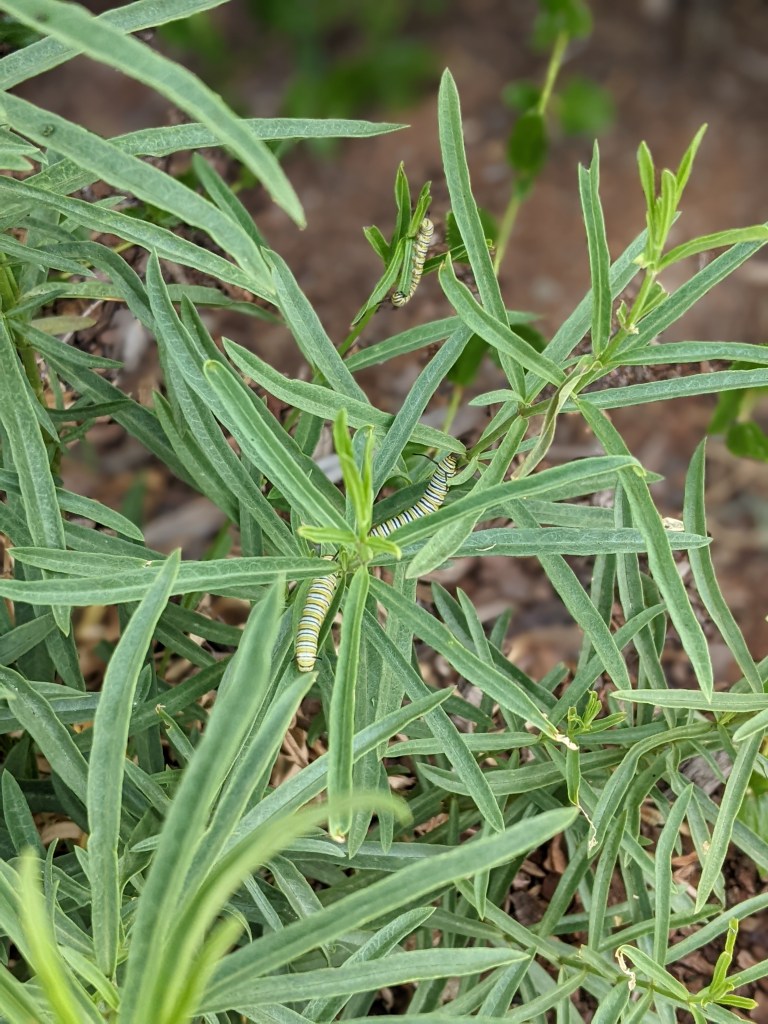
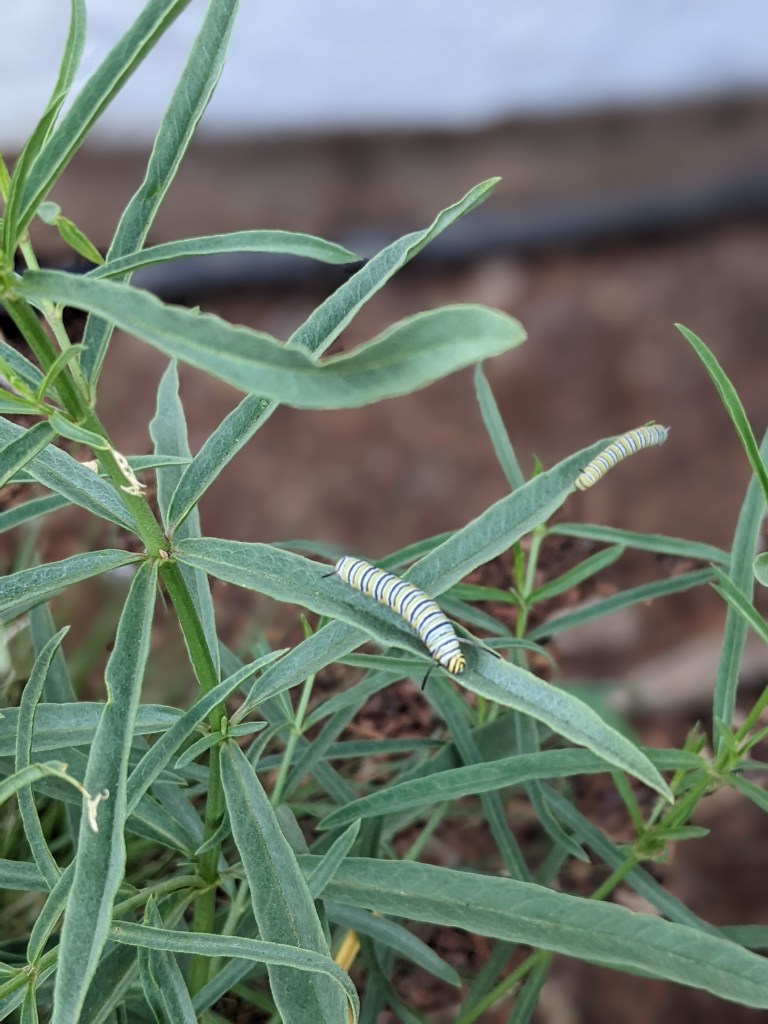
A few caterpillars enjoying the milkweed


There are already many well-written and informative articles out there about the life-cycle of monarch butterflies so I won’t attempt to create yet another one. I feel like I was already pretty well aware of the general process from school, work, the media, etc., but there were a handful of things in my experience with the monarchs that I was either not prepared for or that really surprised me.  

Eric Carle was mostly correct. I was shocked by how quickly the little monarch caterpillars grew and by how much they ate. Of course, I couldn’t help thinking of The Very Hungry Caterpillar. It seemed so cliche to me, but that’s what I thought about every day as I went out to visit my little caterpillars happily munching away. They eat so much and they grow really fast! I guess maybe Eric Carle actually did a little research for his book…

The process of actually making a chrysalis is fast. Those little caterpillars don’t mess around. I specifically remember going out in my backyard one afternoon to scrub some floor mats from my car. My caterpillars were at the point where they were starting to crawl away from the milkweed to find a new place to hang out and make their chrysalises. I noticed one particular caterpillar who had just started his “j-hang” on my ceanothus plant as I went to turn on the garden hose. Half an hour later when I went to turn off the hose I saw a shiny green chrysalis. I wish I had sat there and watched the caterpillar a little longer!

From “j-hang” to chrysalis in 30 minutes!

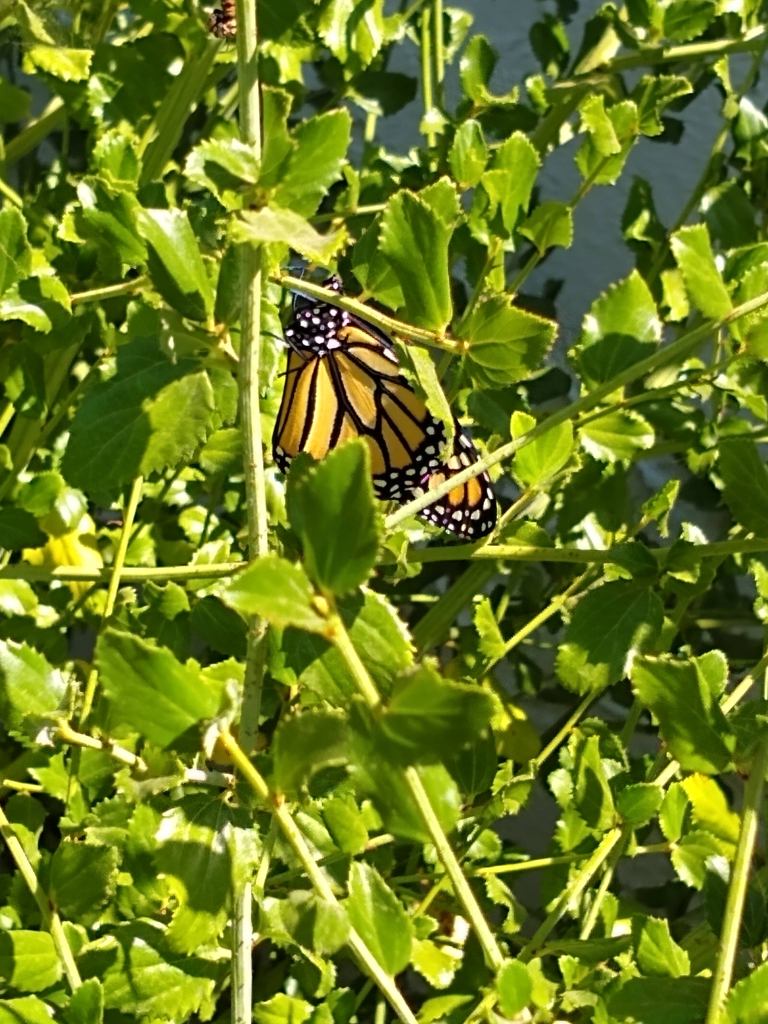
Emerging from the chrysalis is fast too. I also should have stayed home from work on the morning that that same caterpillar was getting ready to emerge from his chrysalis. I noticed during my morning inspection that the chrysalis had turned clear and you could see the butterfly wings inside, so I made plans with my husband to set up our GoPro on a time-lapse setting later that day in the hopes of capturing the event. As insurance, I also tasked my daughter with going outside and checking the chrysalis every hour. That turned out to be a smart move because I wasn’t at work for more than an hour before my daughter started texting me to say we had a new butterfly. Thankfully she got some photos and a video too. Again, those caterpillars don’t mess around. When it’s time to transform, they do it quickly.

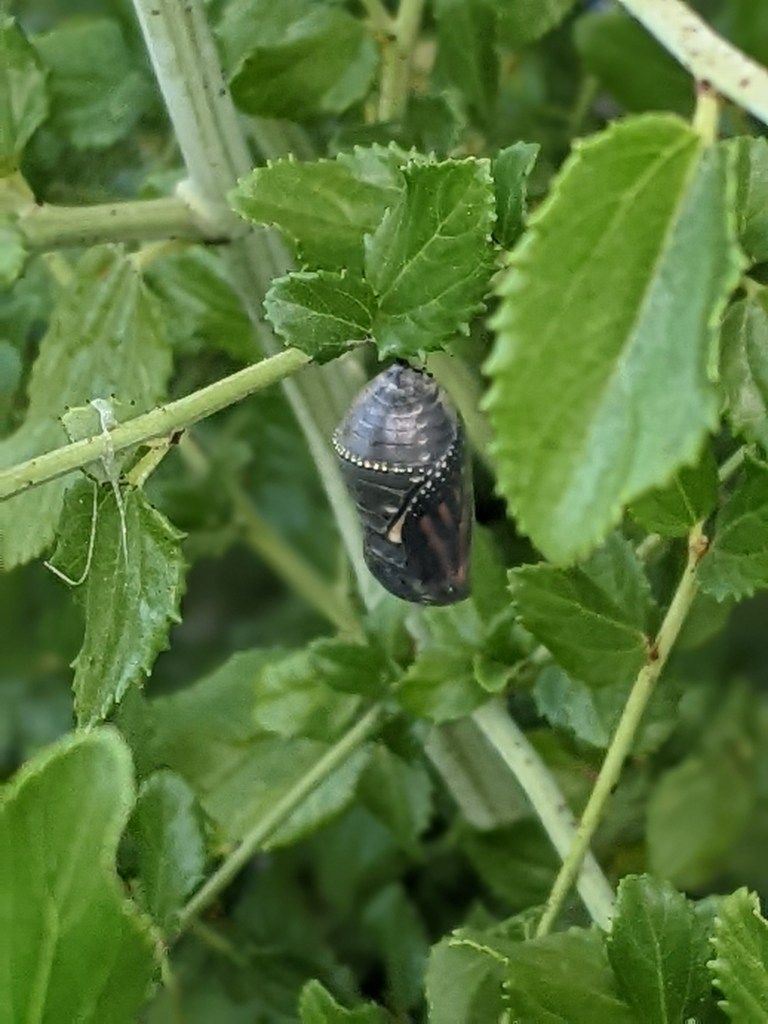
This photo was taken just a few hours before the butterfly emerged.
And here it is. Watch the video of its FIRST FLIGHT!

Nature is cruel. Hearing other people say this is one thing, but it’s another to watch it play out before your eyes in your own backyard. Have you ever heard of the tachinid fly? I hadn’t either but I noticed that some of the caterpillars who had crawled away to make their chrysalises seemed to be dead. I also noticed a strange white thread hanging off of some of them. I thought at first that maybe a spider had gotten them, but a little research led me to the real culprit. The tachinid fly lays its eggs on the monarch caterpillars as they are eating and growing. The larvae take a while to actually kill the caterpillar and this doesn’t usually happen until they crawl away to form a chrysalis. Two of my caterpillars even made it to the chrysalis stage before the tachinid fly larvae killed them. The strange white thread I was seeing was from the larvae leaving the host. This was definitely a disappointing turn of events. Different articles I read online give slightly different numbers, but it seems that a one out of ten success rate is reasonable for monarch caterpillars. I only have one year of data, but that seems about right to me. I had twelve monarch caterpillars and ended up with one monarch butterfly.

This caterpillar/chrysalis was infected by a tachinid fly. See the white string hanging down? The fly larvae left that when it climbed out.

Monarch caterpillars and butterflies are addictive. I religiously visited my caterpillars morning and evening, plus other times of day as my schedule allowed. I was absolutely fascinated by them and now I understand the enthusiasm other people have for this beautiful butterfly. I’m already looking around my yard for more places to plant milkweed, and I’m hoping that I can end up with a few more monarch butterflies next spring.

Create

You’re on Candid (Bird) Camera

Something that has brought me tremendous joy over the past several years is learning to identify the birds that visit our yard. I never tire of observing them at the feeders and birdbath. Admiring their dexterity, listening to their songs, laughing at their antics. We have all the usual midwestern suspects—cardinals, bluejays, finches, chickadees, wrens, titmice, sparrows, woodpeckers. Sometimes bluebirds. Once an oriole!

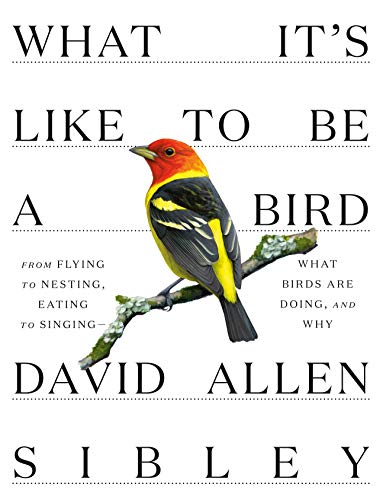
If you find yourself becoming slightly bird-obsessed too, a terrific book is What It’s Like to Be a Bird by David Allen Sibley.

It’s filled with beautiful artwork and incredible facts about our feathered friends. (Credit for all bird facts sprinkled throughout this post goes to Mr. Sibley!) 

Now, my older sister is kind of a boss when it comes to giving thoughtful and unusual gifts, and Christmas 2020 was no exception. She surprised me with a bird feeder camera! As big a bird lover as I am, I had no idea such a thing existed. The rechargeable, motion-activated camera slips onto a tiny post at the base of the feeder, snapping photos quietly and discreetly as your avian visitors help themselves to a snack. It is weather resistant and stays charged for about 30 days before needing topped up.

I had that thing out of the box and into the yard before you could say “chickadee dee dee.”

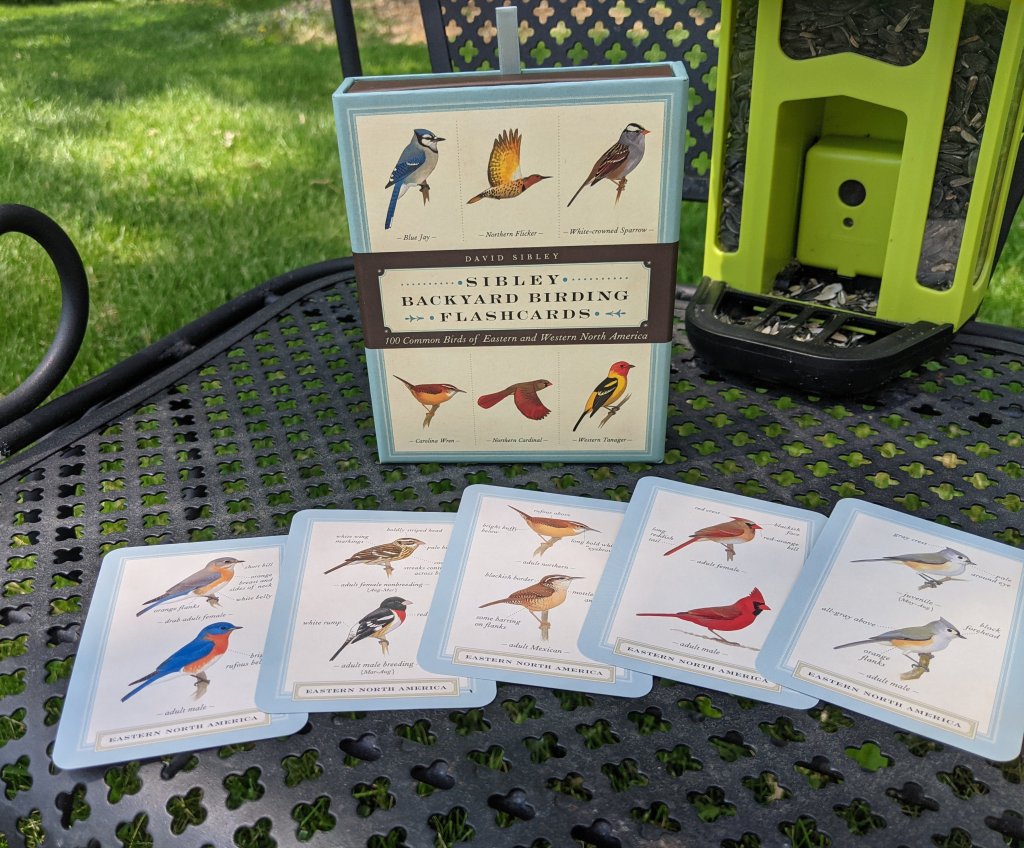
The other gift my sister included is a box of birding “flashcards,” created by none other than David Sibley. The set features 100 common birds of Eastern and Western North America. One side of each card shows Sibley’s trademark renderings of the bird, while the reverse side describes the bird’s habitat and “voice.”

One nice thing about the feeder is that it was very easy to set up. I am not a very tech-y person, so if I could manage it, anyone should be able to. The enclosed directions were pretty minimal, but basically you charge the camera, pop in a micro memory card, fill the feeder with seeds, and you’re ready for customers!

The thing I love most, though, is that it always delivers a surprise. It’s a little bit like Christmas all over again every time I check for new photos. You never know who’s been stopping by to visit.

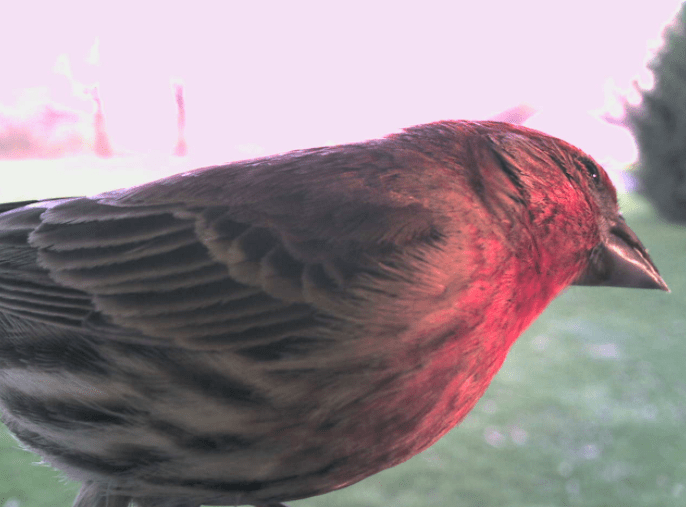
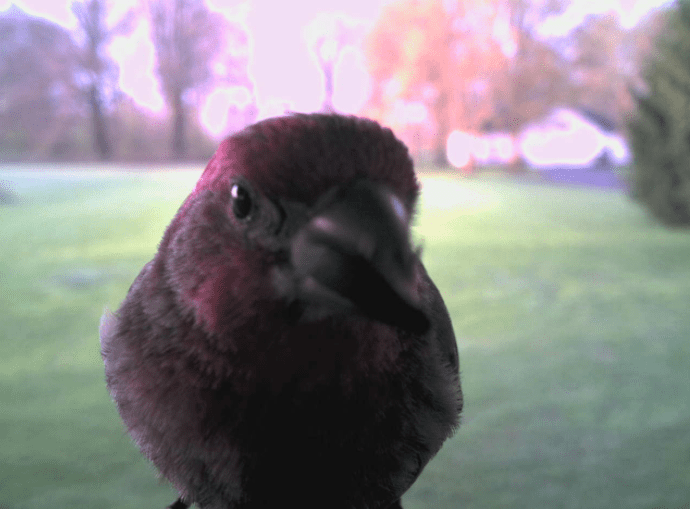
House Finch: If you spot a bird that looks like he’s been dip-dyed in cranberry juice, it’s a House Finch. The subtle red tint on his head and breast comes from carotenoid pigments in his diet.
House Finch
Cardinal: The cardinal’s head crest is like a weathervane for its current mood. See a raised crest? She’s feeling excited or aggressive. If the crest is lowered, she’s in a relaxed or submissive state of mind.
Black-capped Chickadee: When these birds live in places with harsh winters, they show tremendous seed-storage abilities. They can hide up to 1,000 seeds per day for future consumption!
Black-capped Chickadee
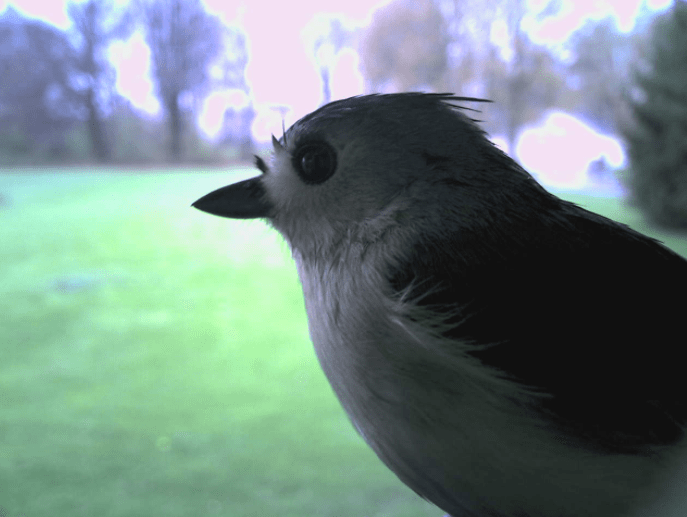
Tufted Titmouse: Some birds, like the titmouse, prefer to get their seeds to go. They carefully select one at a time from the feeder, then fly off to another perch to eat it. (He’s one of my favorite birds; just look at those big friendly eyes.)
White-breasted Nuthatch
White-breasted Nuthatch: The easiest way to identify a nuthatch? Look for the bird that is hopping around upside down on the tree trunk or feeder. He’s also got quite a lance-like beak.

Clearly, I really love this feeder-camera, but there are a few things I should mention in the interest of full disclosure….

It is a fun gadget for the recreational birder like myself, but if you are super serious about high-quality photography, it might not be the best fit for you. The image quality is probably the biggest complaint in the reviews online. The image resolution is 1.5 MP, if that means anything to you. I’ve been pretty happy with the shots I’ve gotten!

Mounting the feeder requires a bit of planning too. It’s not the type that you can suspend from a shepherd’s crook. It needs a fixed surface, but with some kind of baffle to thwart the squirrels and chipmunks. I happened to have a box feeder already attached to a window with suction cups, so I experimentally set the camera feeder on top of that, and it actually has worked out pretty well. The birds were used to coming to the window box; now they just hop up to the other feeder on occasion as well.

The last caveat is that the device also captures a lot of “junk” photos. The motion sensor must be pretty easily triggered—maybe by moving branches or something? There are always a lot of photos of my yard, without birds or other wildlife in the shot, so I’m not sure what that’s all about. It’s easy enough to delete those photos though.

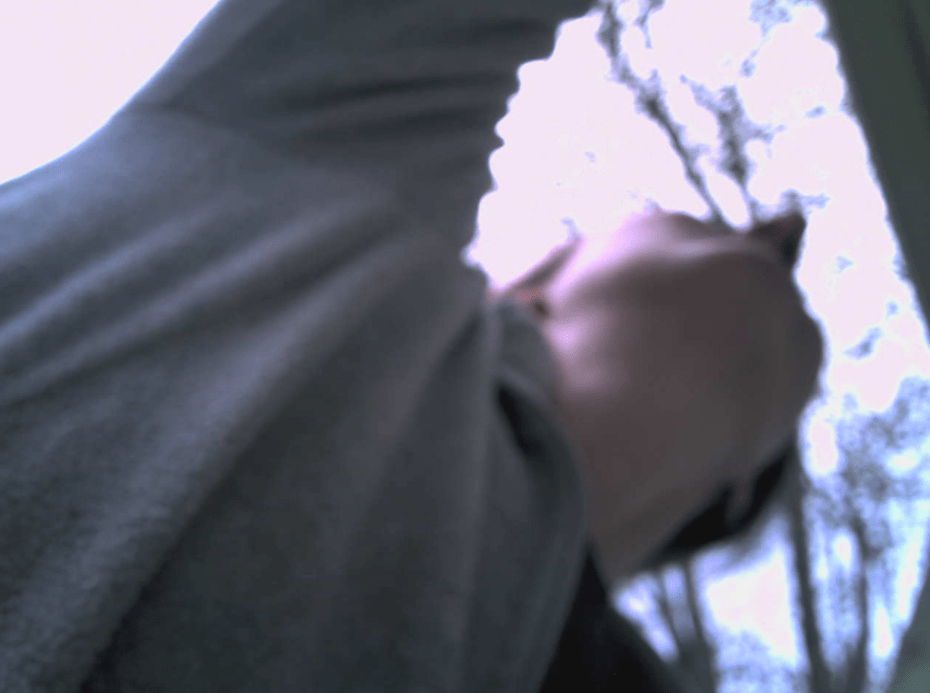
But on the plus side: You’ll get some very flattering shots of yourself during installation and maintenance missions. 

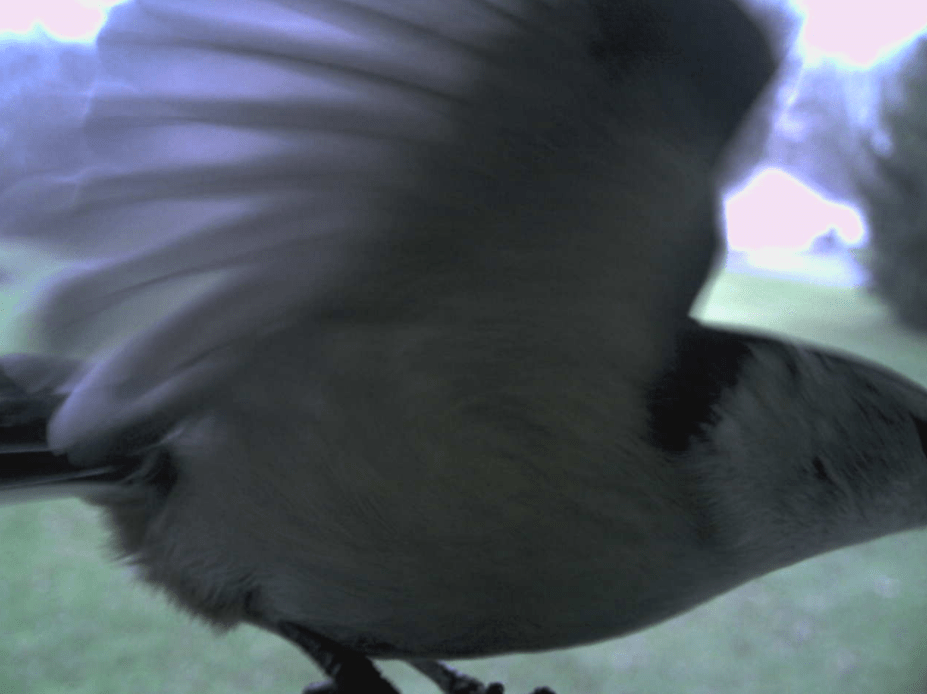
Fleecy Bee: Easily identified by her light gray coat, large head, and tuneless singing.

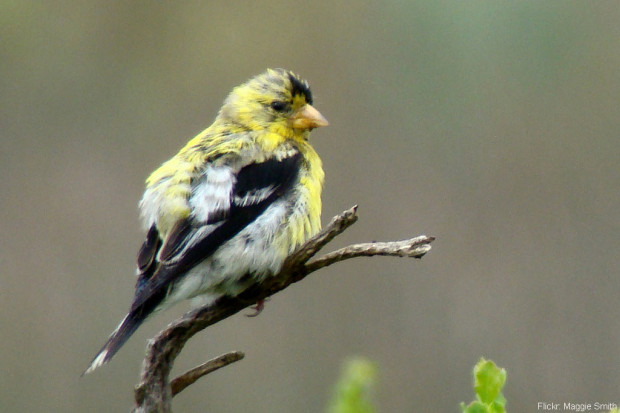
While I’m excited to see any visitors who come to the feeder, I was really hoping that in my most recent batch of photos I’d capture a goldfinch in the midst of its spring molt. They’re so patchy and shabby looking until their beautiful gold feathers fill in. It makes me giggle. Although I always feel a little embarrassed for them too—it’s like walking in on someone who’s only half-dressed. No luck this spring, but I’ll have another chance when they undergo their second molt late summer.

I’m glad you find me SO amusing. (Image source)

Until then, I’ll enjoy whoever comes calling!