
Something that has brought me tremendous joy over the past several years is learning to identify the birds that visit our yard. I never tire of observing them at the feeders and birdbath. Admiring their dexterity, listening to their songs, laughing at their antics. We have all the usual midwestern suspects—cardinals, bluejays, finches, chickadees, wrens, titmice, sparrows, woodpeckers. Sometimes bluebirds. Once an oriole!
If you find yourself becoming slightly bird-obsessed too, a terrific book is What It’s Like to Be a Bird by David Allen Sibley.
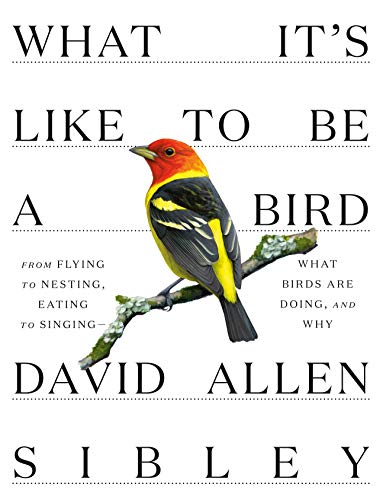
It’s filled with beautiful artwork and incredible facts about our feathered friends. (Credit for all bird facts sprinkled throughout this post goes to Mr. Sibley!)
Now, my older sister is kind of a boss when it comes to giving thoughtful and unusual gifts, and Christmas 2020 was no exception. She surprised me with a bird feeder camera! As big a bird lover as I am, I had no idea such a thing existed. The rechargeable, motion-activated camera slips onto a tiny post at the base of the feeder, snapping photos quietly and discreetly as your avian visitors help themselves to a snack. It is weather resistant and stays charged for about 30 days before needing topped up.

I had that thing out of the box and into the yard before you could say “chickadee dee dee.”
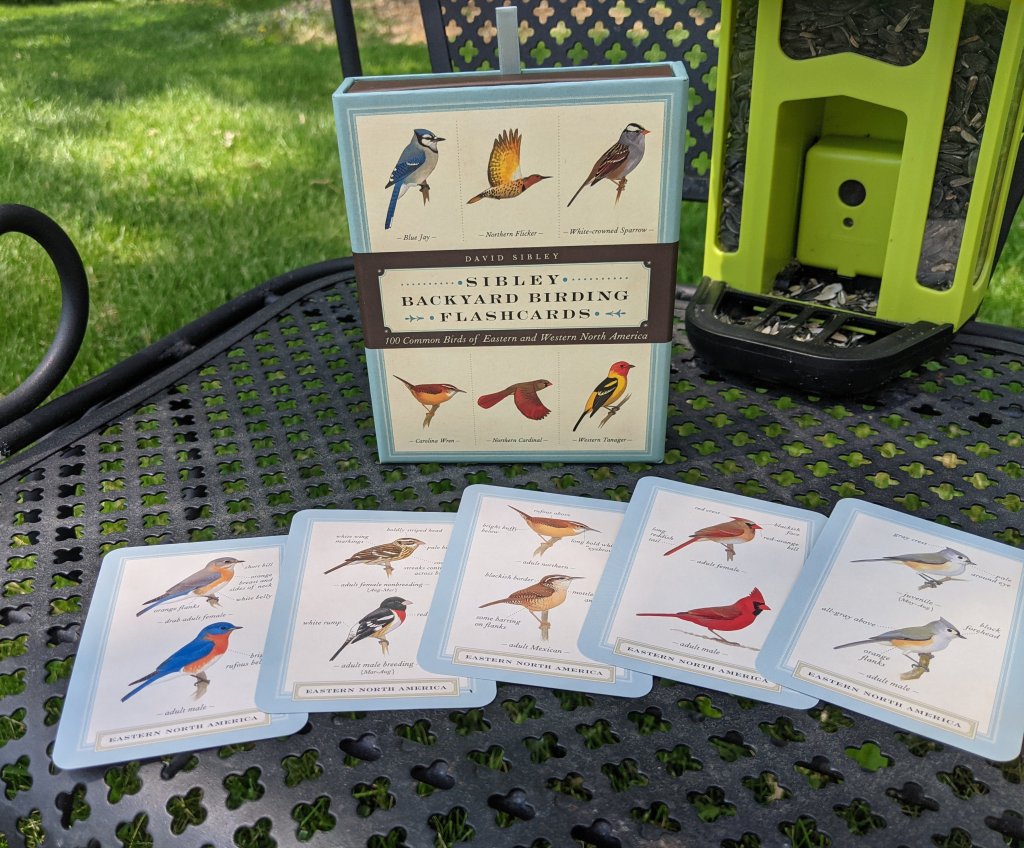
The other gift my sister included is a box of birding “flashcards,” created by none other than David Sibley. The set features 100 common birds of Eastern and Western North America. One side of each card shows Sibley’s trademark renderings of the bird, while the reverse side describes the bird’s habitat and “voice.”
One nice thing about the feeder is that it was very easy to set up. I am not a very tech-y person, so if I could manage it, anyone should be able to. The enclosed directions were pretty minimal, but basically you charge the camera, pop in a micro memory card, fill the feeder with seeds, and you’re ready for customers!
The thing I love most, though, is that it always delivers a surprise. It’s a little bit like Christmas all over again every time I check for new photos. You never know who’s been stopping by to visit.
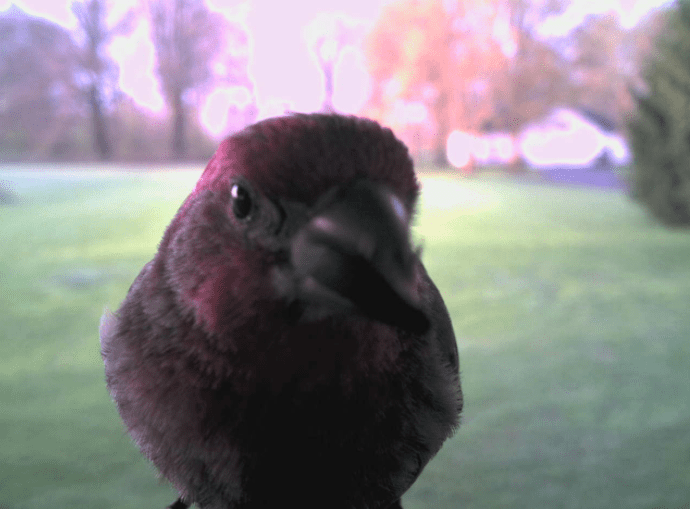


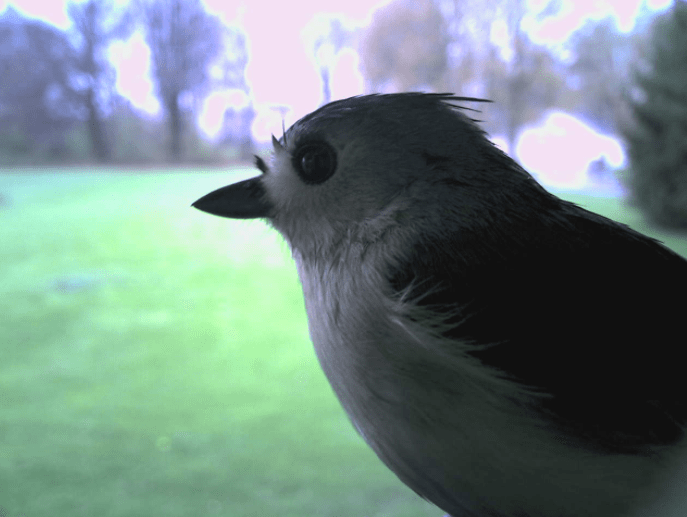
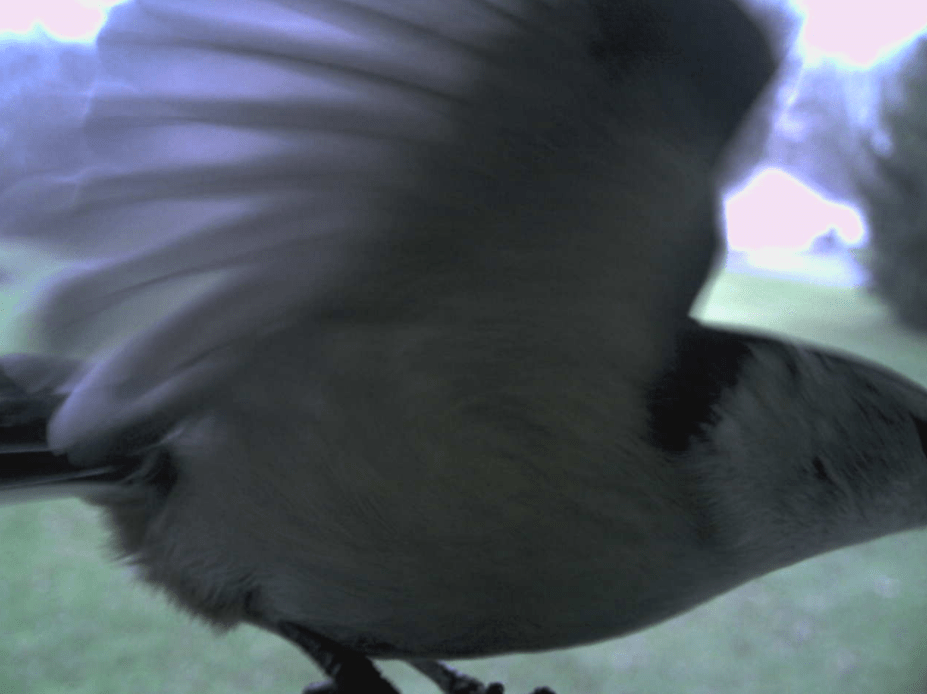

Clearly, I really love this feeder-camera, but there are a few things I should mention in the interest of full disclosure….
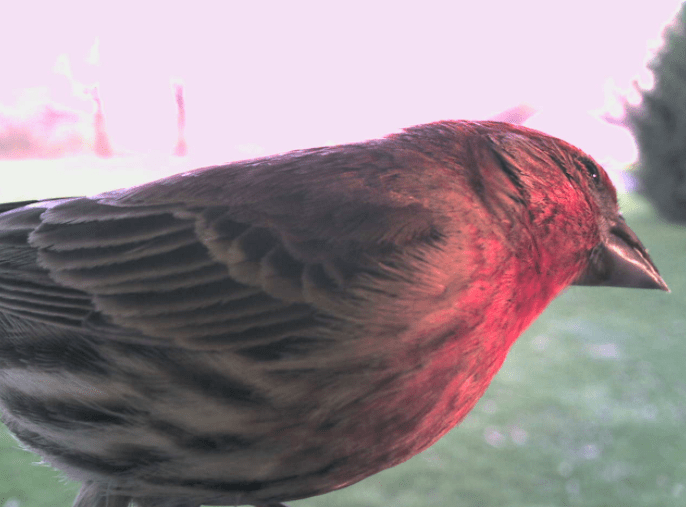
It is a fun gadget for the recreational birder like myself, but if you are super serious about high-quality photography, it might not be the best fit for you. The image quality is probably the biggest complaint in the reviews online. The image resolution is 1.5 MP, if that means anything to you. I’ve been pretty happy with the shots I’ve gotten!
Mounting the feeder requires a bit of planning too. It’s not the type that you can suspend from a shepherd’s crook. It needs a fixed surface, but with some kind of baffle to thwart the squirrels and chipmunks. I happened to have a box feeder already attached to a window with suction cups, so I experimentally set the camera feeder on top of that, and it actually has worked out pretty well. The birds were used to coming to the window box; now they just hop up to the other feeder on occasion as well.

The last caveat is that the device also captures a lot of “junk” photos. The motion sensor must be pretty easily triggered—maybe by moving branches or something? There are always a lot of photos of my yard, without birds or other wildlife in the shot, so I’m not sure what that’s all about. It’s easy enough to delete those photos though.
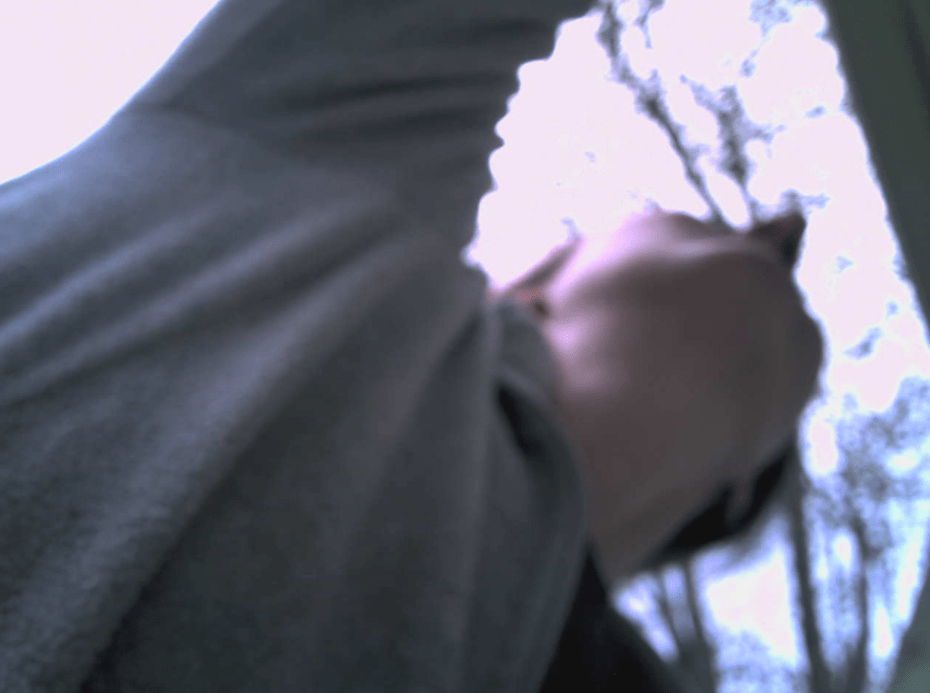
But on the plus side: You’ll get some very flattering shots of yourself during installation and maintenance missions.
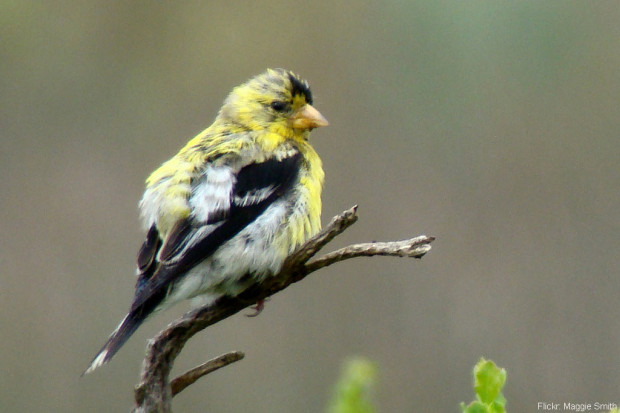
While I’m excited to see any visitors who come to the feeder, I was really hoping that in my most recent batch of photos I’d capture a goldfinch in the midst of its spring molt. They’re so patchy and shabby looking until their beautiful gold feathers fill in. It makes me giggle. Although I always feel a little embarrassed for them too—it’s like walking in on someone who’s only half-dressed. No luck this spring, but I’ll have another chance when they undergo their second molt late summer.
Until then, I’ll enjoy whoever comes calling!
 Don't Fleece the Bees