
I love sunshine, yet the summer solstice in June is always kind of a bittersweet day for me. The solstice marks the longest day of sunlight hours in the northern hemisphere, and people all over the world celebrate this beautiful event. But after that day, even if I don’t notice it right away, I know that the daylight hours are shrinking. The long, dark days of winter are creeping closer.

When I was younger, the daylight/darkness ratio didn’t seem to bother me very much. I don’t remember thinking anything of it as a kid, or even as a young adult. It could be kind of inconvenient when it got dark outside at 5:00 PM, but it didn’t seem to affect my mood.
But for the past several years, as a 40-something adult, I have begun to struggle. I was familiar with the concept of seasonal affective disorder (SAD), what I’d always thought of as the “winter blues,” but for some reason it feels like there’s been a shift from concept to reality for me. This year more than any other, I felt the late afternoon darkness pressing down on me like a weight. I felt tired, grouchy, and rather disproportionately blue.
It’s not known for certain what causes the symptoms of SAD, but the most likely culprit seems to be the interplay between sunlight and your circadian rhythm, serotonin levels, and melatonin levels. Reduced sunlight during the winter months can throw off your circadian rhythm (internal 24-hour clock), lower serotonin levels (a hormone which impacts mood, emotions, and appetite), and disrupt melatonin levels (a key hormone in regulating sleep patterns and mood).
What should I do? I tried to channel my hygge. I thought, Goddammit. The Scandinavians put up with way more cold and dark than this. Suck it up. Light a candle and get cozy already.
I lit four candles.
But I still felt glum.
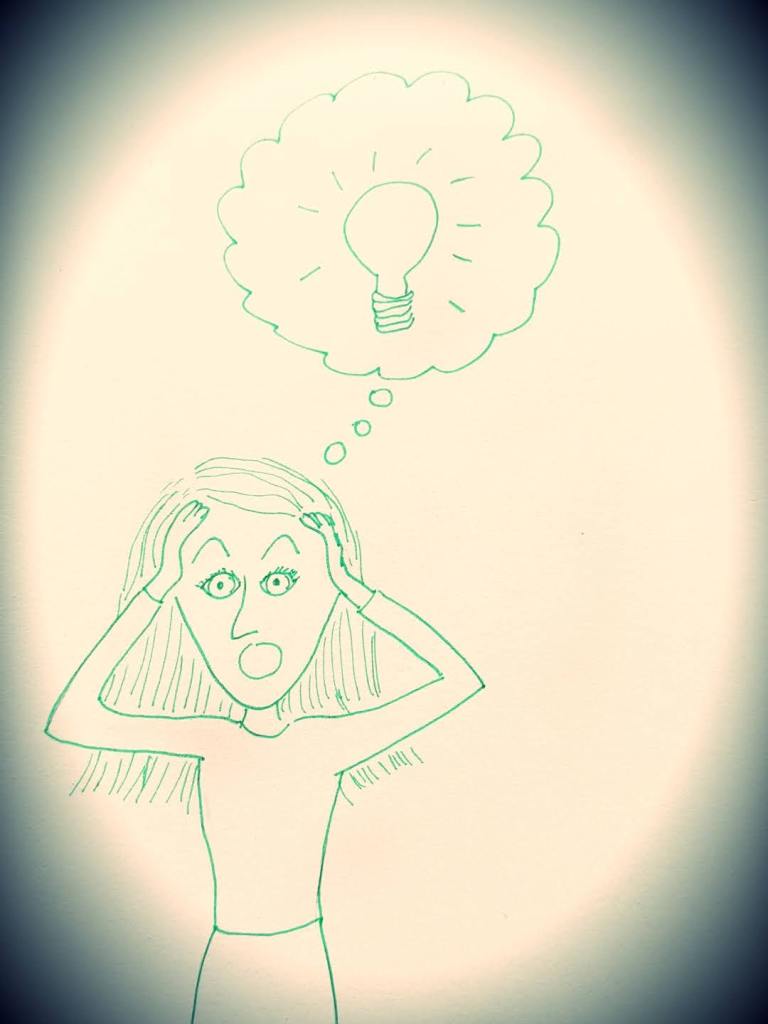
When I told my sister-in-law about how I was struggling, she said, “You know, you can borrow a light therapy lamp from the library. I wonder if that might help?”
What Is Light Therapy?
Light therapy, or phototherapy, has been shown to be a very effective treatment for seasonal depression. Many people notice the benefits in as little as two to four days. Light therapy boxes work by mimicking the powerful light we absorb from the sun during other times of year, delivering messages to our brains to help regulate certain hormones.
People use light therapy for more than just SAD. Different wavelengths of light can be used to treat things like acne, jaundice, and joint pain; UV light therapy can benefit conditions like eczema and psoriasis. The light lamps that are used for SAD filter out UV light and are not the same as other phototherapy treatments, so keep that in mind if you decide to try one.
Why Does Light Therapy Work?
Hormones are a fascinating topic all on their own, and wow are they powerful. Hormones are chemical messengers that regulate pretty much every bodily system and function, from sleep to mood to digestion to reproduction. Light therapy sends signals to help regulate in particular the hormones melatonin and serotonin.
- We produce melatonin during our hours of darkness each night (which is why your bedroom should be dark dark dark), and stop upon exposure to bright light in the morning. Cutting off melatonin production in the morning is important for getting it to resume at a reasonable time in the evening, heading off insomnia and promoting better sleep.
- Conversely, sunlight stimulates the brain’s production of serotonin, which plays a huge role in regulating mood, as well as digestion and appetite.
It makes sense that disruption of these hormones would have a dramatic ripple effect.
Time to Get Lit
Since I do not have any of the conditions that would exclude me (bipolar disorder, macular degeneration, lupus, diabetes, etc.) from using a light therapy box, I stopped by the library and checked one out for two weeks.

The instructions that came with the TaoTronics Light Therapy Lamp were pretty skimpy, so I did some reading about how to use the light most effectively. The recommendations:
- Get a lamp that produces 10,000 lux of UV-free light
- Use the lamp within the first hour of waking up
- Place the lamp about 16-24 inches from your face
- Bask in the light for about 20-30 minutes per day
(Lux is a unit of illumination. With lighting, you often see the terms “lumens” and “lux” to quantify the intensity of the light. Lumens is a fixed measurement of how much total light a source emits, in all directions. Lux measures how much light from that source falls on a given surface, so lux is higher if you are closer to the source or the center of its beam, and lower if you move farther away from the light source.)


You don’t want to look directly at the light, but you do want to make sure your eyes are open so that the light gets in there. There are special receptors in your retinas that communicate with the brain about melatonin and serotonin production. The light should be positioned at or a little above eye level, to mimic the angle of the sun toward your face. It seems that some people who report little benefit from the light simply might not have it at the most effective height and/or distance.
The Big Question: Did It Work?
I used the therapy light every morning for two weeks. Thirty minutes while I had my breakfast and coffee worked out to be perfect timing.
- I felt like it helped me “wake up” in the morning and feel more alert. On days when my alarm jolts me from sleep rather than waking up on my own, I usually find it very hard to shake off the slumber. On those mornings, the light really helped.
- I slept soundly at night. Since I get up so early for school, I am usually tired pretty early at night as well, and that didn’t change. But I noticed that I woke up less frequently throughout the night and seemed to sleep more deeply.
- I noticed a subtle boost in my mood. I felt more cheerful and patient. I still got tired and cranky sometimes (who doesn’t?), but overall I felt pretty good.
Since I didn’t check out the light box from the library until early January, my only regret is that I hadn’t “seen the light” and started using one earlier in the season. Next year I will.
So the big takeaway: If you can’t spend your winter in the sunny tropics, a good option might be to bring the sun to you, with a light therapy box.
References and Further Reading
“Benefits of Sunlight: A Bright Spot for Human Health”
“Seasonal Affective Disorder (SAD)”
“Seasonal Affective Disorder Treatment: Choosing a Light Box”
 Don't Fleece the Bees