
You are about to read a very special blog post, guest-written by my sister Laura! I have mentioned her in multiple previous posts, since she 1) is a very important person in my life, and 2) is awesome.
Last summer, I vicariously experienced one of nature’s miracles happening in her southern California backyard—the metamorphosis of the monarch butterfly. The beauty and tenacity of these creatures captivated me, and I wished for their story to be shared with all. I hope you enjoy it as much as I did.
One of my coworkers recently shared an article about how the monarch butterfly has been classified as endangered by the International Union for Conservation of Nature. I work at an environmental nonprofit, so getting links to these types of articles from coworkers is pretty common, but this one really grabbed my attention because I had just spent the month of June having an engrossing, up-close experience with monarchs in my own backyard.
It all started when I bought a milkweed plant at the nursery in the fall of 2021 on a whim. I’ve heard over and over again that if you want to have butterflies in your yard you should plant milkweed, so it seemed like it was worth a shot. The plant I bought is a narrow-leaf milkweed and is native to Southern California, which is where I live. I can’t say it’s an especially beautiful plant, and my expectations about actually attracting butterflies were really low. Little did I know it would soon become one of my most prized plants and that I would be planning to add more milkweed to my yard this fall.
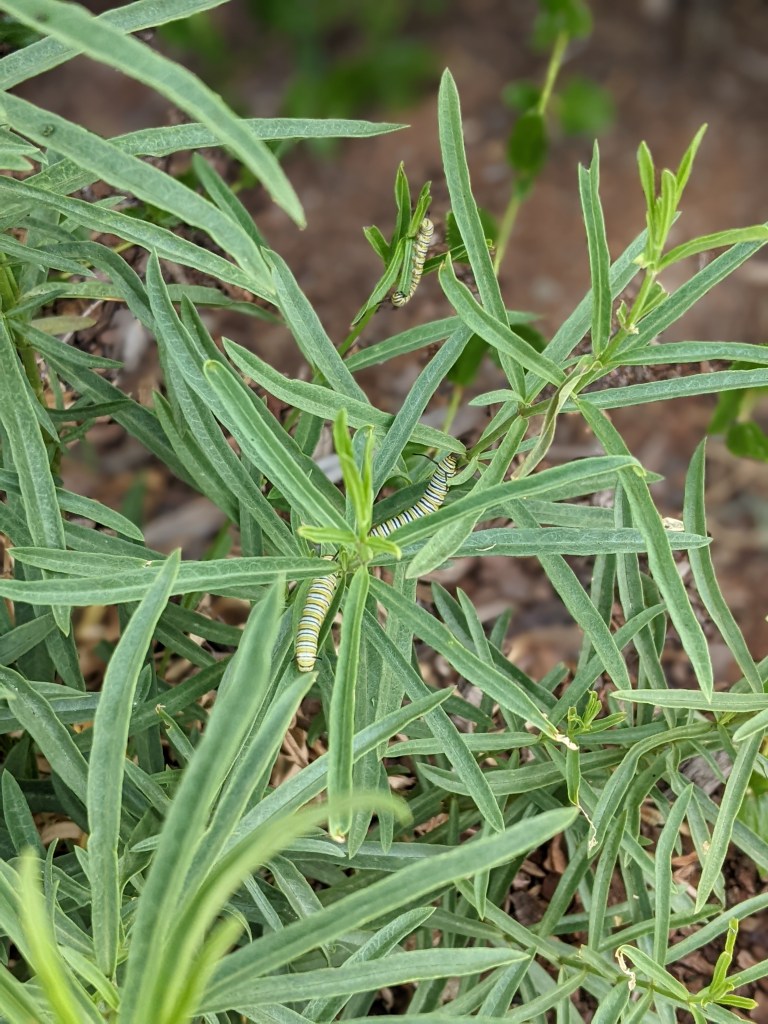
There are already many well-written and informative articles out there about the life-cycle of monarch butterflies so I won’t attempt to create yet another one. I feel like I was already pretty well aware of the general process from school, work, the media, etc., but there were a handful of things in my experience with the monarchs that I was either not prepared for or that really surprised me.
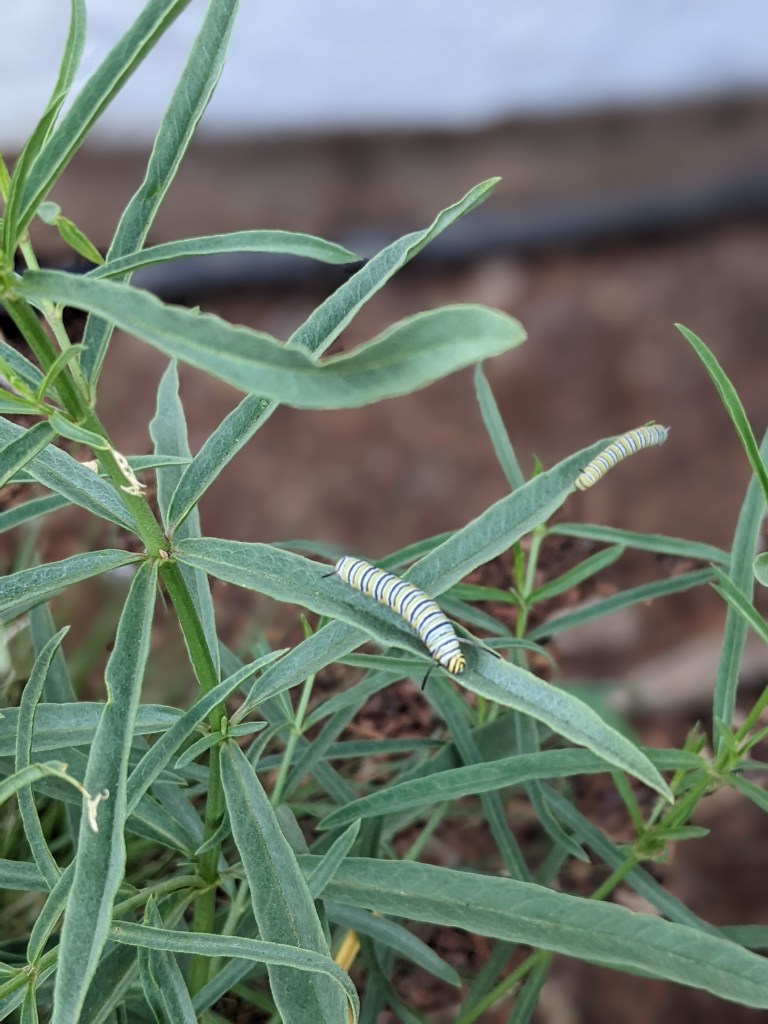
Eric Carle was mostly correct. I was shocked by how quickly the little monarch caterpillars grew and by how much they ate. Of course, I couldn’t help thinking of The Very Hungry Caterpillar. It seemed so cliche to me, but that’s what I thought about every day as I went out to visit my little caterpillars happily munching away. They eat so much and they grow really fast! I guess maybe Eric Carle actually did a little research for his book…

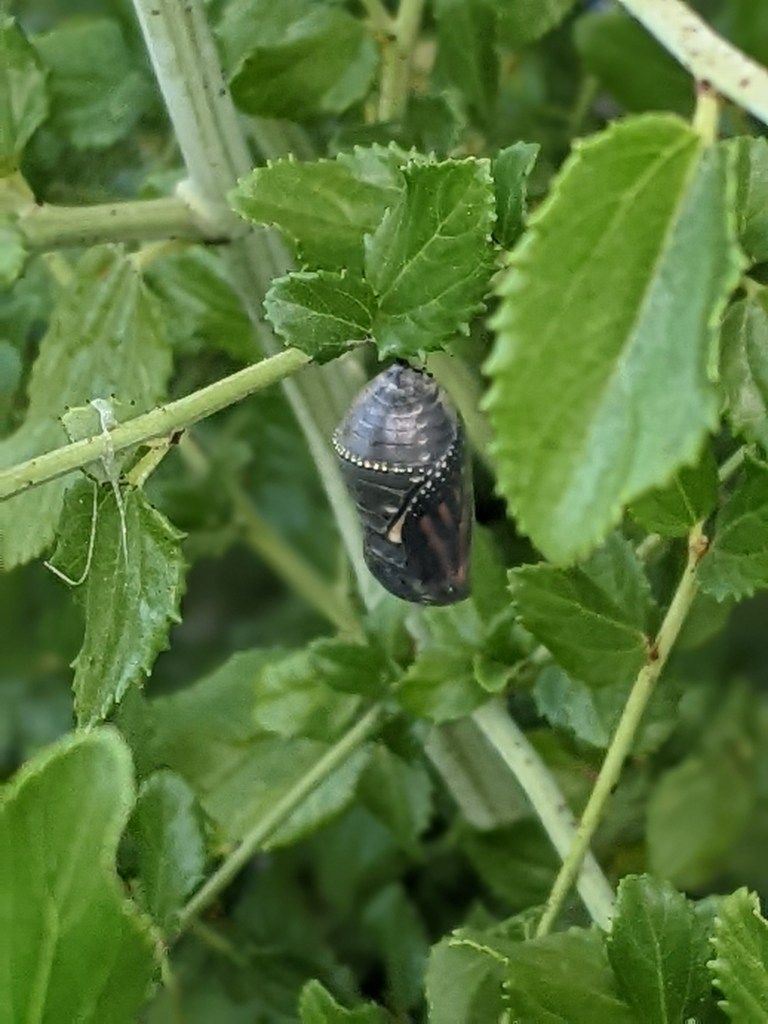
The process of actually making a chrysalis is fast. Those little caterpillars don’t mess around. I specifically remember going out in my backyard one afternoon to scrub some floor mats from my car. My caterpillars were at the point where they were starting to crawl away from the milkweed to find a new place to hang out and make their chrysalises. I noticed one particular caterpillar who had just started his “j-hang” on my ceanothus plant as I went to turn on the garden hose. Half an hour later when I went to turn off the hose I saw a shiny green chrysalis. I wish I had sat there and watched the caterpillar a little longer!

Emerging from the chrysalis is fast too. I also should have stayed home from work on the morning that that same caterpillar was getting ready to emerge from his chrysalis. I noticed during my morning inspection that the chrysalis had turned clear and you could see the butterfly wings inside, so I made plans with my husband to set up our GoPro on a time-lapse setting later that day in the hopes of capturing the event. As insurance, I also tasked my daughter with going outside and checking the chrysalis every hour. That turned out to be a smart move because I wasn’t at work for more than an hour before my daughter started texting me to say we had a new butterfly. Thankfully she got some photos and a video too. Again, those caterpillars don’t mess around. When it’s time to transform, they do it quickly.
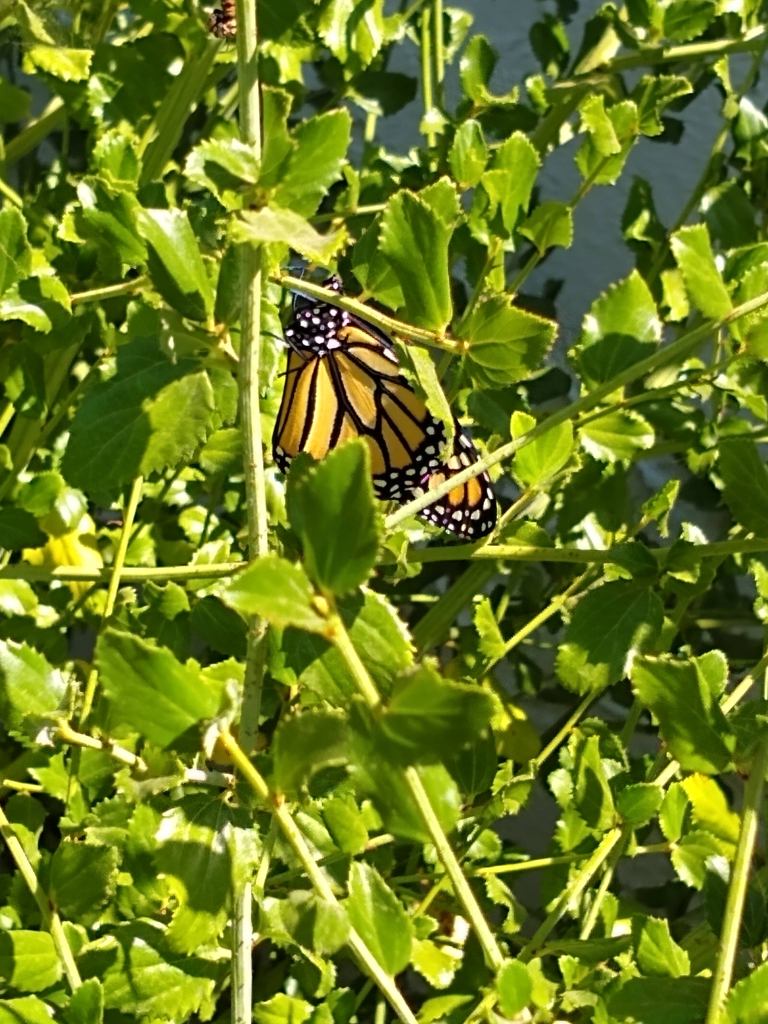
Nature is cruel. Hearing other people say this is one thing, but it’s another to watch it play out before your eyes in your own backyard. Have you ever heard of the tachinid fly? I hadn’t either but I noticed that some of the caterpillars who had crawled away to make their chrysalises seemed to be dead. I also noticed a strange white thread hanging off of some of them. I thought at first that maybe a spider had gotten them, but a little research led me to the real culprit. The tachinid fly lays its eggs on the monarch caterpillars as they are eating and growing. The larvae take a while to actually kill the caterpillar and this doesn’t usually happen until they crawl away to form a chrysalis. Two of my caterpillars even made it to the chrysalis stage before the tachinid fly larvae killed them. The strange white thread I was seeing was from the larvae leaving the host. This was definitely a disappointing turn of events. Different articles I read online give slightly different numbers, but it seems that a one out of ten success rate is reasonable for monarch caterpillars. I only have one year of data, but that seems about right to me. I had twelve monarch caterpillars and ended up with one monarch butterfly.

Monarch caterpillars and butterflies are addictive. I religiously visited my caterpillars morning and evening, plus other times of day as my schedule allowed. I was absolutely fascinated by them and now I understand the enthusiasm other people have for this beautiful butterfly. I’m already looking around my yard for more places to plant milkweed, and I’m hoping that I can end up with a few more monarch butterflies next spring.

 Don't Fleece the Bees